


RESIDENTIAL
When to Upgrade Your Electrical Panel: 7 Warning Signs
Published May 8, 2026 · 7 min read
Your electrical panel is the heart of your home's electrical system. It distributes power from the utility to every circuit in your house, and when it can no longer keep up with demand, the consequences range from minor annoyances to serious safety hazards. Many Bay Area homes were built in the 1960s through 1990s with 100-amp panels that were adequate for the appliances of that era but fall short of modern electrical loads.
Knowing when to upgrade is not always obvious. Here are seven warning signs that your electrical panel is due for replacement, along with what to expect from the process in the Bay Area.
1. Flickering or Dimming Lights
If your lights flicker or dim when you turn on a high-draw appliance like a hair dryer, microwave, or air conditioner, your panel may be struggling to distribute enough power across circuits. Occasional, brief dimming when a large motor starts (like an HVAC compressor) can be normal, but persistent flickering across multiple rooms is a clear warning sign.
This symptom often indicates that your panel is overloaded or that internal connections are degrading. Loose bus bar connections inside an aging panel create resistance, which causes voltage fluctuations throughout the house. Left unaddressed, these loose connections generate heat that can damage wiring and create fire risk.
2. Circuit Breakers Trip Frequently
Breakers are designed to trip when a circuit is overloaded, preventing overheating and fire. If the same breaker trips repeatedly, it may mean that circuit is carrying more load than it was designed for. If multiple breakers trip regularly, the problem is likely at the panel level.
Frequent tripping is especially common in older Bay Area homes where kitchens and bathrooms were originally wired with only one or two circuits. Modern code requires dedicated circuits for refrigerators, dishwashers, microwaves, and bathroom outlets. A panel upgrade paired with circuit additions resolves this problem and brings your home closer to current code.
3. Burning Smell or Scorch Marks
A burning smell near your electrical panel is an emergency. Turn off the main breaker immediately and call a licensed electrician. This smell typically indicates overheated wiring, a failing breaker, or arcing inside the panel. Scorch marks or discoloration on the panel cover, breakers, or surrounding wall confirm that dangerous heat is being generated.
Do not attempt to diagnose or repair this yourself. Arcing faults inside a panel can ignite surrounding materials, and according to the National Fire Protection Association, electrical distribution equipment is a leading cause of home structure fires. This is a situation where same-day service from a licensed electrician is critical.
4. Your Panel Is Rated at 100 Amps or Less
A 100-amp panel was standard in homes built before 2000. At the time, most homes did not have EV chargers, heat pumps, induction cooktops, home offices with multiple computers, or whole-home battery storage. Today, many Bay Area households draw more than 100 amps during peak usage, especially during summer when AC units and pool pumps run simultaneously.
The current standard for new construction and major remodels in most Bay Area jurisdictions is 200 amps. Upgrading to a 200-amp panel provides headroom for current appliances and future electrification, including EV chargers that alone can draw 40 to 50 amps. If you are planning any major addition to your home's electrical load, a panel upgrade is usually the first step.
5. You Still Have a Fuse Box
If your home still has a fuse box instead of a circuit breaker panel, upgrading is overdue. Fuse boxes were common in homes built before 1960, and while they can still function safely, they present several practical problems. Fuses must be physically replaced after they blow, replacement fuses are increasingly hard to find, and homeowners sometimes install oversized fuses as a workaround, which defeats the overcurrent protection entirely.
Modern breaker panels are safer, more convenient, and compatible with AFCI and GFCI breakers now required by California electrical code. Many insurance companies also charge higher premiums or decline to insure homes with fuse boxes, making the upgrade financially sensible beyond the safety benefits.
6. You Are Planning an EV Charger, HVAC, or Major Appliance
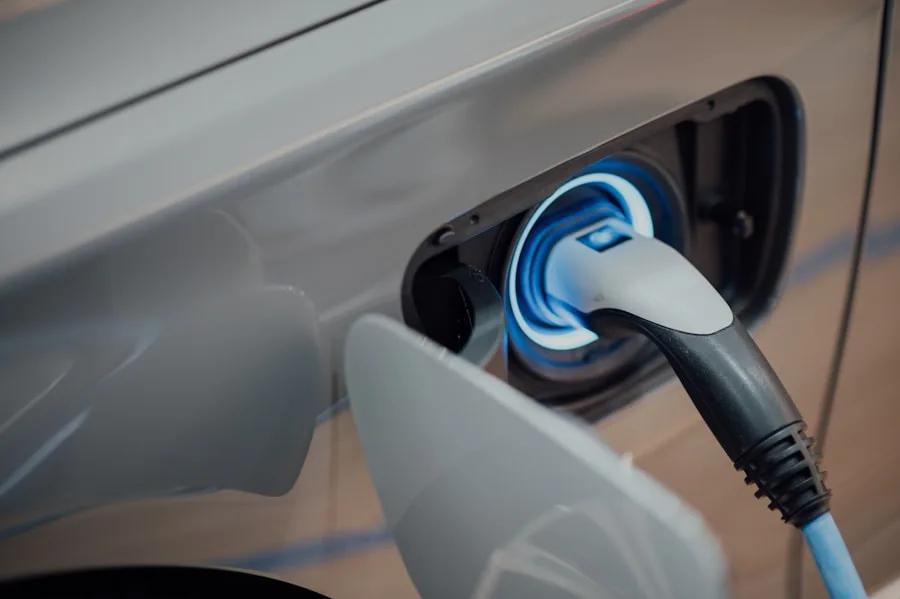
Adding a Level 2 EV charger requires a dedicated 40-amp or 50-amp circuit. A heat pump system may need 30 to 60 amps depending on the model. An electric tankless water heater can draw 100 amps or more. If your panel does not have enough available amperage or open breaker slots to accommodate the new load, an upgrade must happen before the new equipment is installed.
This is actually the most common reason Bay Area homeowners upgrade their panels today. California's push toward all-electric homes means more gas appliances are being replaced with electric alternatives. Planning your panel upgrade before or alongside these projects saves money on permitting and labor compared to doing them separately.
7. Insurance Company Requires It
Home insurance companies in California have become increasingly strict about electrical panels. If your panel uses Federal Pacific Electric (FPE) Stab-Lok breakers, Zinsco breakers, or certain Pushmatic models, your insurer may require replacement as a condition of coverage. These brands have documented failure rates significantly higher than modern panels, and FPE panels in particular have been the subject of class-action lawsuits due to breakers that fail to trip under overcurrent conditions.
Even if your insurance company has not yet flagged your panel, upgrading a known-defective brand proactively eliminates a serious safety hazard and may lower your insurance premium.
What Does a Panel Upgrade Cost in the Bay Area?
Panel upgrade costs in the San Francisco Bay Area typically range from $3,500 to $6,500 for a standard 200-amp upgrade, depending on several factors:
- Panel location: Exterior panels are generally less expensive to upgrade than interior panels that require new conduit runs.
- Meter and service entrance: If PG&E's service drop or meter base needs upgrading, this adds cost and coordination time.
- Permit and inspection fees: Bay Area cities charge between $200 and $600 for electrical permits, varying by jurisdiction.
- Additional circuits: If you are adding circuits for EV chargers, HVAC, or subpanels at the same time, these are typically bundled into the project at a lower incremental cost.
The investment pays for itself through improved safety, increased home value, insurance compliance, and the ability to support modern appliances and electrification.
The Permit Process and Timeline
Every panel upgrade in California requires a city or county electrical permit and a subsequent inspection by the local building department. Here is what the typical timeline looks like in the Bay Area:
- Site assessment (Day 1): A licensed electrician evaluates your existing panel, documents the current load, and designs the upgrade.
- Permit application (Days 2-5): Your contractor submits plans and pulls the permit. Most Bay Area cities process electrical permits within 1 to 5 business days.
- PG&E coordination (if needed): If the service entrance or meter needs work, PG&E scheduling adds 2 to 4 weeks.
- Installation (1 day): The actual panel swap typically takes 6 to 10 hours. Power is off for a portion of the day.
- Inspection (Days 2-7 after install): The building inspector verifies the work meets code. If passed, the permit is finalized.
From initial consultation to completed inspection, most panel upgrades are finished within 2 to 4 weeks. YKCA Electric handles every step of this process, including PG&E coordination and scheduling the final inspection, so you do not have to manage the logistics yourself.
Bay Area Code Requirements
California follows the National Electrical Code (NEC) with additional state amendments through Title 24. Key requirements for panel upgrades in Bay Area jurisdictions include:
- AFCI protection required on all bedroom circuits and most living areas
- GFCI protection required on all kitchen, bathroom, garage, outdoor, and laundry circuits
- Minimum 200-amp service for new construction and major remodels
- Whole-home surge protection device required at the panel (2023 NEC adoption)
- EV-ready wiring required in new construction under CALGreen code
A panel upgrade is the ideal time to bring your home's electrical system into compliance with current code. Your electrician can add the required AFCI/GFCI breakers and surge protection as part of the upgrade project.
Ready to Evaluate Your Panel?
If you recognized one or more of these warning signs in your home, it is time for a professional assessment. YKCA Electric provides free panel evaluations for Bay Area homeowners. We will inspect your current panel, assess your electrical load, and give you a clear recommendation with transparent pricing. Call us at (650) 550-0819 or schedule your evaluation online.
← Back to News & TipsNeed Professional Help?