



Commercial · Low Voltage
Low Voltage Pulled By the Same C-10 Crew
Cat6/6A data, fire alarm rough-in, security cameras, access control — all in-house under one license, one schedule, one closeout packet.
Project Profile
Common ranges for a Bay Area low-voltage scope. Exact numbers confirmed in your written bid.
What & Why
One license. Same crew. One closeout packet.
California's C-10 license fully covers the C-7 low-voltage scope — which means structured cabling, security, access control, and BGM are pulled by the same crew that did the power and the lighting. No separate sub, no schedule handoff in the middle of your job.
Cable plant certified to TIA-568, devices terminated and labeled, as-built and warranty packet delivered with the rest of the electrical closeout.
Scope of Work
Six work phases, every low-voltage scope.
Pathway & Support Review
Ceiling pathway survey, ladder rack and J-hook layout, fire-stop coordination at penetrations, dedicated cable tray where the drop count justifies it.
Cable Pulls & Terminations
Cat6/6A pulls with proper bend radius and bundle separation, plenum rated where required, jack terminations at workstation and device ends.
Patch Panels & Racks
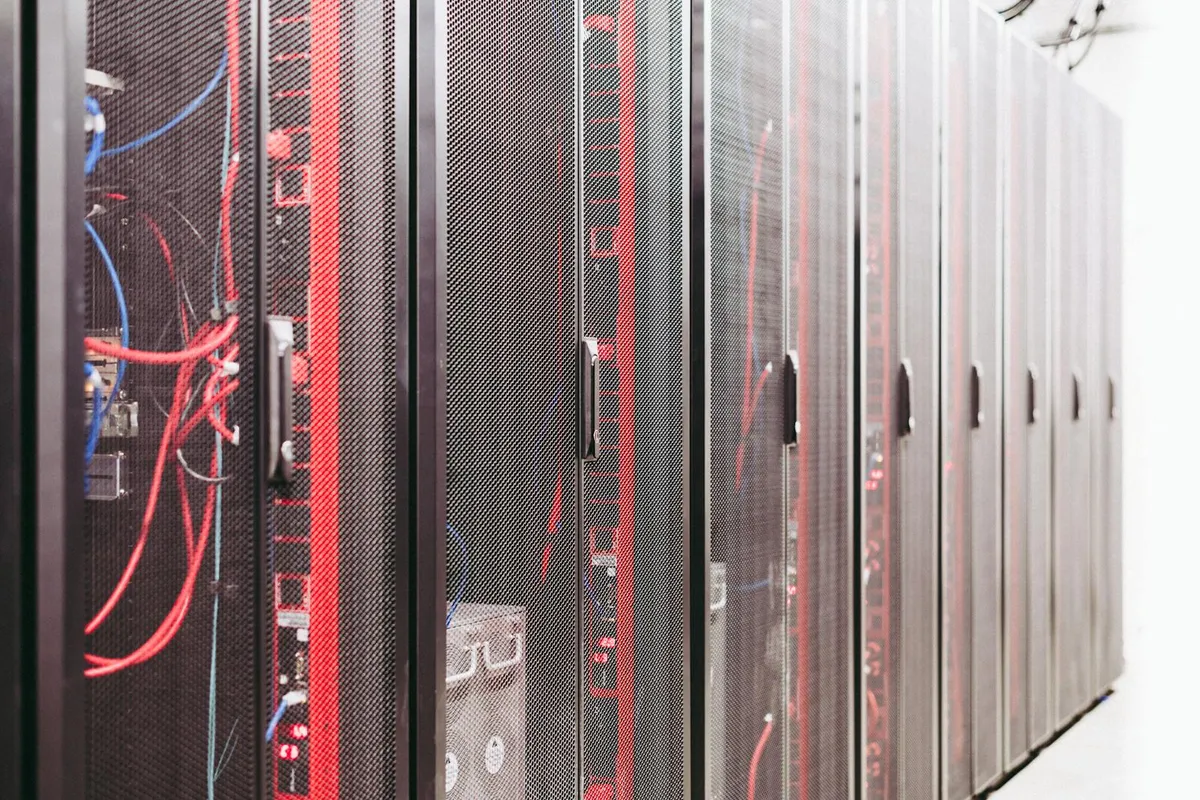
Rack install, ladder rack and cable management, patch panel termination, dressed and labeled vertically and horizontally per industry practice.
Device Install
Cameras, card readers, motion sensors, door contacts, and BGM speakers mounted, terminated, and aligned — coordinated with the security vendor where applicable.
Test, Label, Certify
Fluke or equivalent certification per drop, PDF test results, labels at both ends, cable schedule updated, any failures fixed and re-tested before sign-off.
As-Built & Handoff
As-built drawings, cable schedule, rack elevation, device location plan, and warranty letters delivered to the IT team and the property file.
Closeout Deliverables
What the IT team walks away with.
Four documents, packaged with the rest of the electrical closeout — one folder for the whole scope.
Permit Card
Pulled under our C-10 license, final signed off where required.
Cable Test Reports
Per-drop Fluke (or equivalent) certification PDFs.
Rack & Patch Sheets
Rack elevation, patch panel, and device location plan.
Warranty Letters
Workmanship + manufacturer warranties (Panduit, Leviton, etc.).
Project Tiers
Three typical low-voltage bands.
Each scope gets a fixed written quote tied to your drop count, device list, and cable schedule.
Small Build
Under 100 drops
3 – 4 weeks
Single-tenant office or small retail — data and voice, maybe a few cameras and door contacts. Single crew, one commissioning visit.
Medium Build
100 – 300 drops
4 – 7 weeks
Multi-zone office or mid-box retail — full cable plant, multiple cameras, access control on several doors, BGM, structured rack.
Enterprise
300+ drops
7 – 12 weeks
Multi-floor or campus scopes, dedicated MDF and multiple IDFs, full security deployment, fire alarm rough-in across the building.
Specialty cabling (fiber, plenum singlemode), security gear, and brand-specific access-control hardware are passed through at cost and itemized on the bid.
FAQ
Low-voltage questions, straight answers.
Bid-Ready When You Are
Plans on the portal, bid back in 48–72 hours.
Submit your plan set, device list, and drop count — we return a written line-item estimate within 48–72 hours.