




EV Charging — Commercial & Fleet
Commercial & Fleet EV Charging — Built for Uptime & Cost-Per-Port
Multi-port Level 2 stations, networked OCPP chargers, dynamic load management, and utility rebate qualification — designed for facility managers and fleet operators who need charging infrastructure that works at scale.
For Facility Managers & Fleet Operators
Scale from 4 ports to 50 without mid-project surprises.
Commercial EV charging is an infrastructure decision, not a hardware purchase. The real questions are: how many ports can your existing service support, what load management strategy keeps you below the utility meter limit, and which rebate programs reduce your per-port cost before you sign a contract.
Our licensed C-10 electricians scope the electrical side completely — load calculation, panel capacity, service upgrade requirement, and ADA stall count — before any contract is signed. The quote covers everything: chargers, conduit, panel work, permit, and inspection. No line-item surprises after the crew arrives.
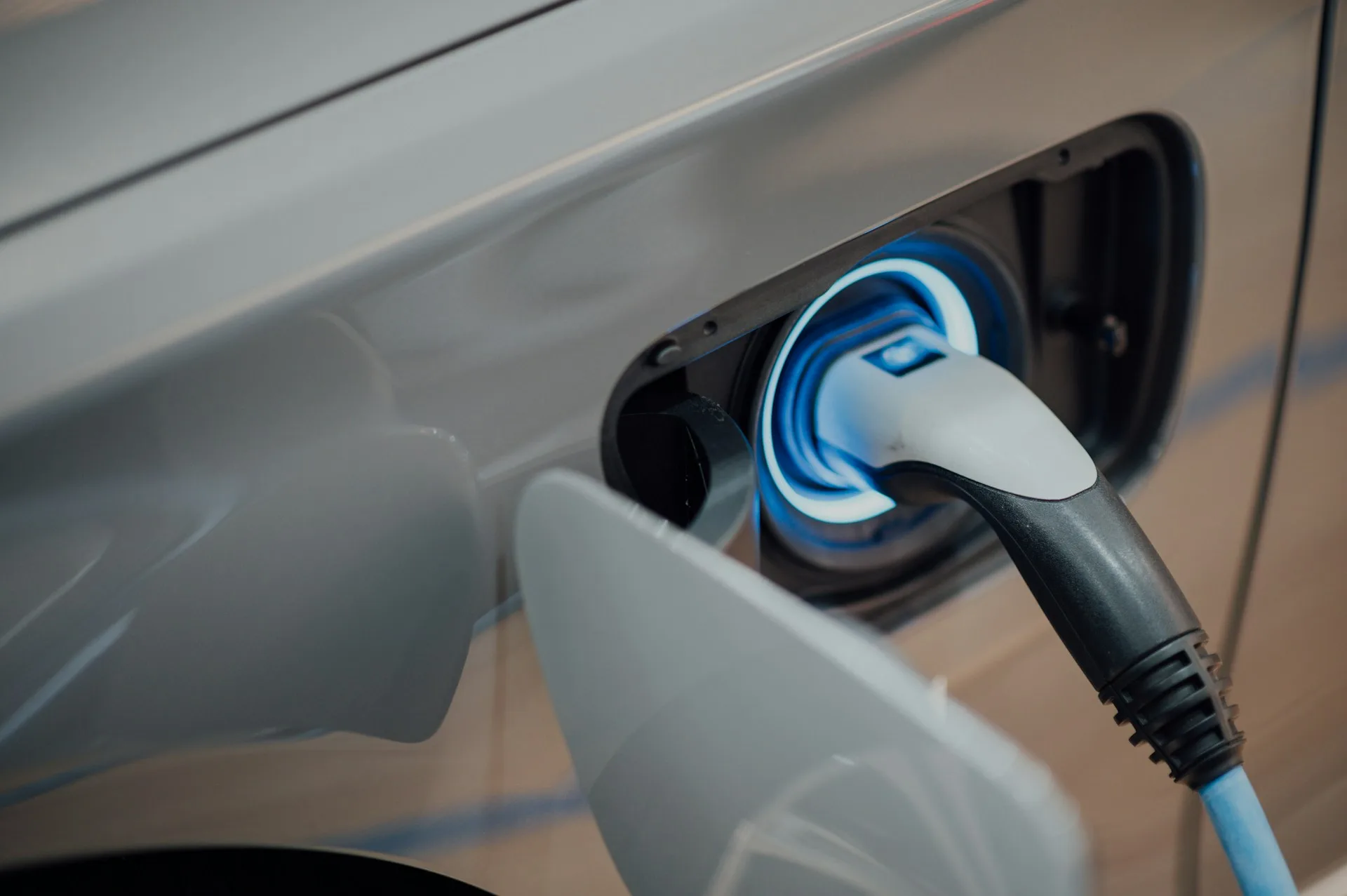
Commercial Level 2 multi-port station — Bay Area facility.
Scope of Work
Six scopes, one C-10 crew, end-to-end.
From charger selection to permit sign-off, the same licensed C-10 electricians handle every piece — no hand-offs to subcontractors.
Multi-Port Level 2 Stations
Hardwired commercial-grade Level 2 chargers for parking lots, garages, and fleet yards — 4 to 50+ ports on a single project.
Networked & OCPP Chargers
OCPP-compliant networked chargers with RFID or app-based access control, driver billing, and real-time utilization reporting.
Load Management Systems
Dynamic load balancing keeps charging within your utility meter limit — more ports, no oversized service upgrade.
Service & Transformer Upgrades
When port count exceeds panel headroom, we scope and install the service upgrade or transformer pad as part of the same project.
ADA-Compliant EV Stalls
Accessible stall layout, signage, and equipment placement per California Title 24 requirements — fully permitted and inspected.
Utility Rebate Qualification
We verify current PG&E and Silicon Valley Power commercial EV program eligibility and package the documentation for your application.
Rebates & Incentives
Cut your per-port cost before breaking ground.
PG&E and Silicon Valley Power both run commercial EV charging incentive programs. Eligibility depends on your utility account, project type, and available program funding — which changes throughout the year. We verify current program status against your specific project and prepare the application documentation as part of the scope.
Federal tax incentives for commercial EV infrastructure may also apply depending on your entity type. We point you to the right programs; your tax advisor confirms applicability.
See Rebates & IncentivesWhat We Handle
- Utility rebate eligibility verification
- Application documentation & submittal
- PG&E & Silicon Valley Power programs
- Title 24 / CALGreen compliance records
- Permit and inspection documentation
FAQ
Commercial EV charging — straight answers for decision-makers.
Ready to Scope Your Project?
On-site assessment — full infrastructure scope before you commit.
We walk the site, run the load calculation, verify rebate eligibility, and deliver a written quote covering every line item — chargers, conduit, panel work, ADA layout, permit, and inspection.