


EV Charging — Multi-Family & HOA
EV Charging for Condos, Apartments & HOA Communities
Whether you manage a 40-unit condo complex or own a single deeded stall in a shared garage, our licensed C-10 electricians build the right charging solution — shared infrastructure, individual stall circuits, sub-metering, and load management.
The Shared-Parking Problem
Condos and apartments have the most complex EV installs — and the most residents who need them.
Single-family homeowners plug in the garage. Multi-family residents share panels, shared parking structures, and HOA rules. The electricity has to get from a utility meter to dozens of individual stalls without overloading the building's existing service — and without creating a billing nightmare between neighbors.
We work with both sides of this problem: HOA boards and property managers building out shared infrastructure, and individual unit owners who want a charger in their own assigned stall. Both paths are real, both are buildable — they just require different electrical scopes and different conversations with the HOA.
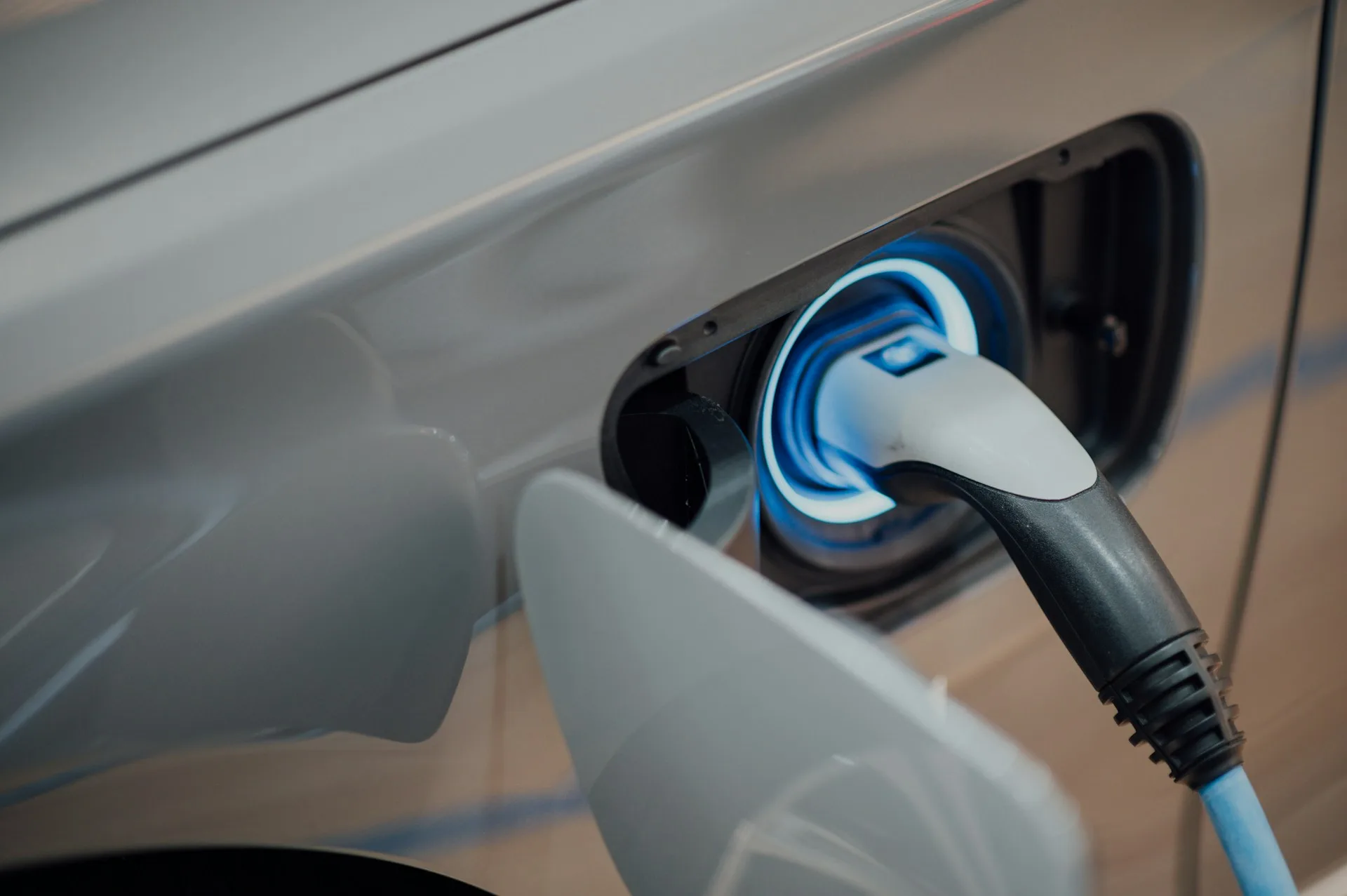
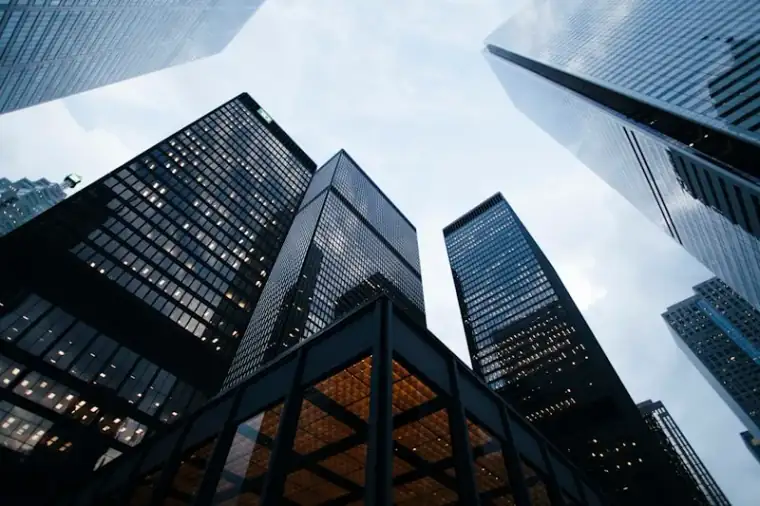
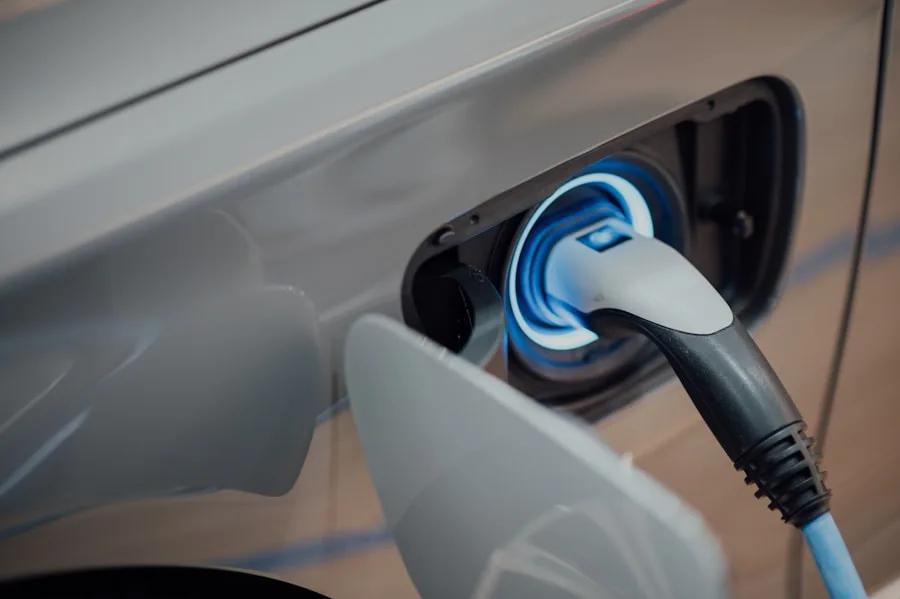
Shared EV infrastructure — multi-unit residential.
Two Different Scopes
Which path fits your situation?
Both are common. Many buildings end up doing both.
Path A — Shared Common-Area Infrastructure
The HOA or property owner installs Level 2 stations in common parking. Residents reserve or queue. Electricity billing handled through networked charger software — residents pay per session, building pays the utility.
- Best for buildings without assigned stalls
- Centralized billing through charger network app
- Load management keeps infrastructure cost lower
- HOA controls access and pricing
Path B — Dedicated Circuit in an Assigned Stall
A unit owner runs a dedicated 240V circuit to their own deeded or assigned parking stall. They pay for the install; they own the charger; they pay for electricity via sub-meter or estimated billing. No competing with neighbors for a plug.
- Best for owners with exclusive-use stall
- California right-to-charge rules support this path
- Sub-meter isolates the owner's electricity use
- Permit pulled under C-10 license, HOA-ready docs
Billing & Load Management
Who pays for the electricity — and how does the panel handle it?
Electricity billing in a shared building is the question every HOA board asks first. The short answer: networked chargers solve billing automatically. Each session is metered at the charger, billed to the resident's account through the charger network app, and settled without involving the property manager.
The harder question is electrical capacity. Most older Bay Area parking structures were not designed with EV load in mind. A smart load management system — also called EVSE load balancing — lets multiple chargers share a fixed panel capacity. The system dynamically allocates power to plugged-in vehicles, throttling back when demand is high and restoring full power when fewer cars are charging. This means a panel sized for 4 circuits can support 12–16 stalls at a fraction of the cost of a full service upgrade.
We assess the existing parking panel, run the load math, and recommend the minimum infrastructure investment to support the number of stalls the building actually needs — not the maximum the panel could theoretically carry.
What We Scope For You
- Panel assessment — existing capacity, available breaker slots, conduit routes to stalls
- Load management sizing — how many stalls from how much panel
- Sub-metering for individual stalls — isolate each owner's usage for accurate billing
- Networked charger selection — app-controlled, per-session billing built in
- Permit + inspection — pulled under C-10 license, city sign-off included
- Rebate research — PG&E and SVP multi-unit programs verified against your project
For Individual Unit Owners
California makes it harder for HOAs to say no.
California has enacted right-to-charge protections that limit an HOA's ability to outright prohibit an EV charger installation in an owner's exclusive-use parking space. HOAs can still set reasonable conditions — licensed contractor, permit, insurance documentation — but a flat refusal is generally not permitted under state law. We routinely help individual owners navigate this: the permit we pull under our C-10 license and the documented install record are exactly what an HOA board needs to review before granting approval. In most cases the conversation is straightforward once the paperwork is in order.
Owned your stall for years and never had a charger? That changes with the right install documentation.
FAQ
Multi-family EV charging questions, straight answers.
Ready to Move Forward?
Talk to a licensed C-10 electrician about your building.
We scope multi-unit EV projects from site assessment through permit and inspection. HOA board, property manager, or individual unit owner — we work with all three.