




Panel Upgrade for EV
When Your EV Charger Needs a Bigger Panel
Honest load calc first. Cheaper alternatives (lower amperage, load sharing, energy management) before recommending the upgrade. 100A → 200A or 400A bundled with the EV charger install on the same day.
When & Why
Not every EV install needs a panel upgrade.
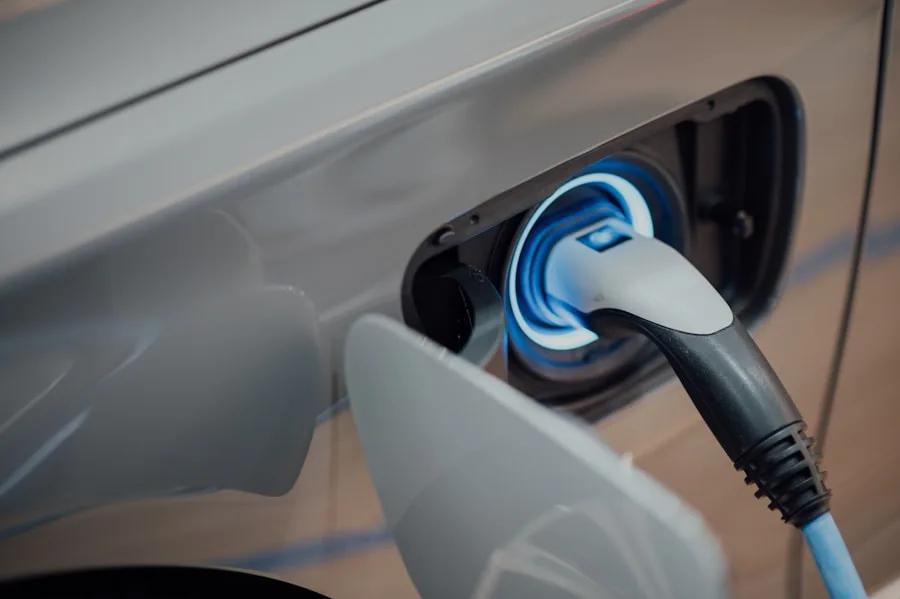
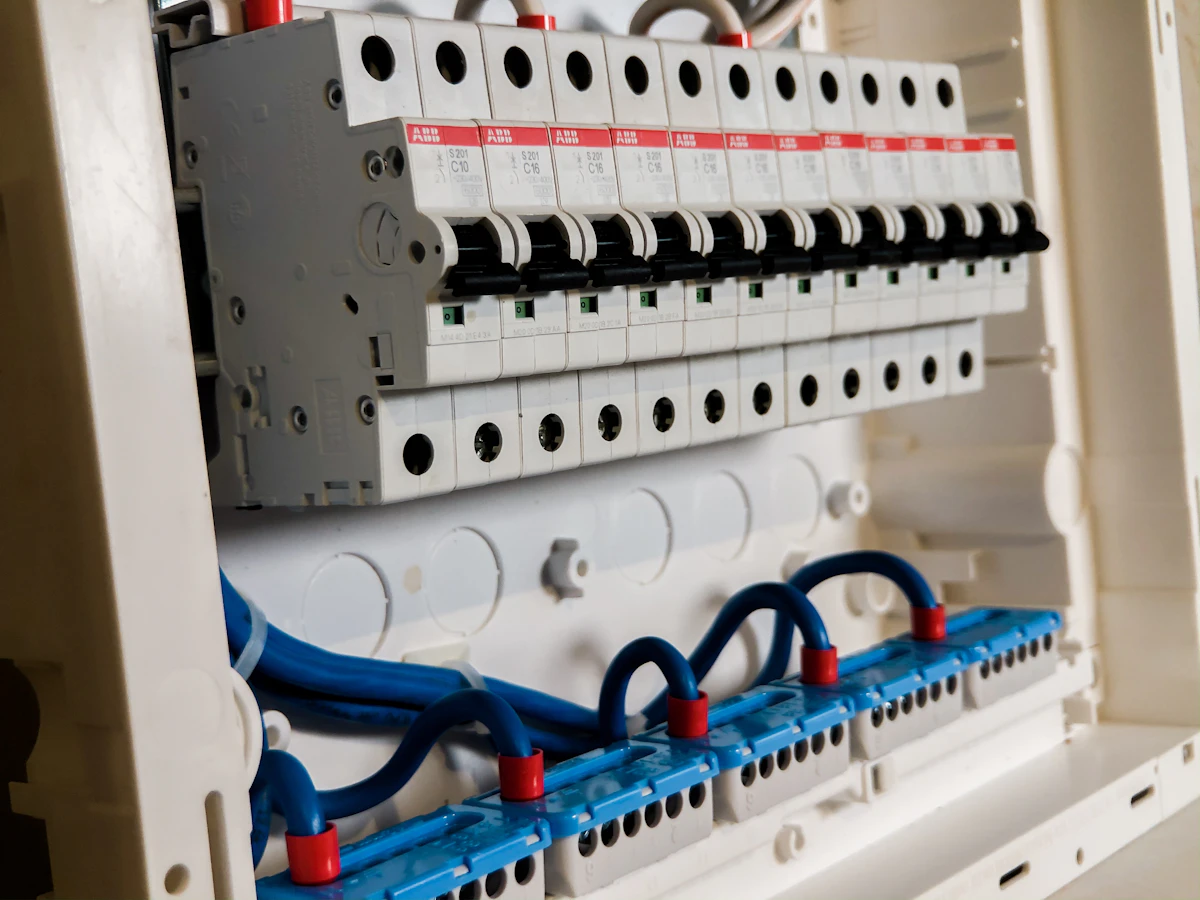
A 48A EV charger needs 60A of panel capacity reserved per NEC. On a 100A or 125A service with electric range, dryer, AC, heat pump water heater — that math runs out of room fast. Sometimes the right answer is the upgrade. Sometimes it's a 32A charger configuration or a load-sharing device for $500. We run the numbers and tell you which one.
When the upgrade IS the right call, we bundle it with the EV charger install on the same workday — single permit, single inspection, single PG&E disconnect. That saves $300–$500 versus separate mobilizations.
Common Triggers for an EV-Driven Upgrade
- 100A or 125A service + Level 2 charger over 40A
- Existing panel is Federal Pacific or Zinsco (insurance flag)
- Planning two EV chargers in the same garage
- Adding heat pump or induction range in next 2 years
- Solar + battery interconnect planned
- Panel is at capacity already (frequent breaker trips)
Try These First
Four ways to fit the charger before paying for the upgrade.
Most installs land on option 1 or 2. We recommend the upgrade only when the math actually requires it.
Lower Charger Amperage
Most chargers can be set to 24A or 32A instead of 48A. Charges most EVs overnight, no upgrade required.
Load-Sharing Device
DCC, NeoCharge, or charger-built-in load share throttles the EV when other big loads (range, dryer) run. ~$400–$900 device + install.
Energy Management Panel
Span panel, Lumin, or Emporia monitors total load and prioritizes circuits. Premium ($3,000–$5,000) but enables solar + storage integration.
Full Panel Upgrade
When the above options don't fit. 100A → 200A or 400A. Future-proofs for solar, battery, second EV, heat pumps.
What's Included
Six things, every panel-upgrade + EV bundle.
Combined Load Calculation
NEC load calc against existing panel including the planned EV charger. Quantifies headroom: do you have it, or do you need 200A/400A?
Alternatives First
If lowering amperage or a load-sharing device avoids the upgrade entirely, we tell you that — not push the upgrade. Cheaper for you, faster for everyone.
Permit + PG&E Coordination
Single permit covers both panel and EV charger. PG&E disconnect scheduled; inspection booked at completion.
Same-Day Cutover
Old panel out, new panel set, EV circuit run, charger mounted and terminated — single workday outage where possible.
Inspection & Sign-Off
Inspector covers panel + EV circuit in one visit. Signed permit card delivered with the invoice.
Documentation Bundle
Permit card, load calc, manufacturer warranties (panel, breakers, charger), GFCI test report — packaged for insurance and resale.
Pricing Context
What a panel upgrade for EV typically costs.
Every job gets a written fixed-fee quote after the $200 on-site assessment. Bundling panel + EV install saves ~$300–$500 vs separate mobilizations.
Permit fees, PG&E reconnect charges, and any utility-side upgrade passed through at cost and itemized on the quote.
FAQ
Panel-for-EV questions, straight answers.
Honest Load Calc First
Find out whether your panel needs the upgrade.
$200 on-site assessment includes the load calculation. Quote within 48 hours. Credit applied to project if you proceed.