


Ecosystem Integrations
Every device, one routine.
Matter, Thread, HomeKit, Google Home, Alexa, SmartThings, Home Assistant. Cross-vendor scenes that actually fire. Hub layout designed per protocol mix, voice unified across rooms, critical paths run locally so cloud outages do not lock you out.
What This Is
The layer that makes the gadgets useful.
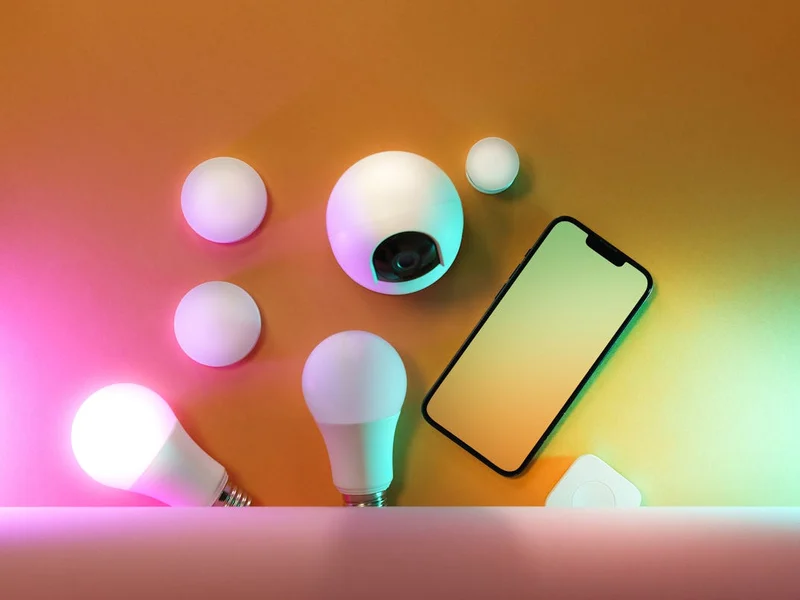
Buying smart devices is the easy part. Getting your Lutron lights, Schlage lock, Ring doorbell, Nest thermostat, and Sonos speakers to behave as one system — that is the integration layer most households quietly give up on. We do that integration as a deliverable, not an afterthought.
Matter (October 2022 release, now mature) made cross-vendor pairing real. Where the product line supports it we spec Matter-certified gear, so the system survives ecosystem switches (iPhone family adopts Android, etc.). For older gear we bridge through the right hub family — HomePod / HomeKit, Echo + Zigbee, SmartThings, or Home Assistant where local-only is the priority.
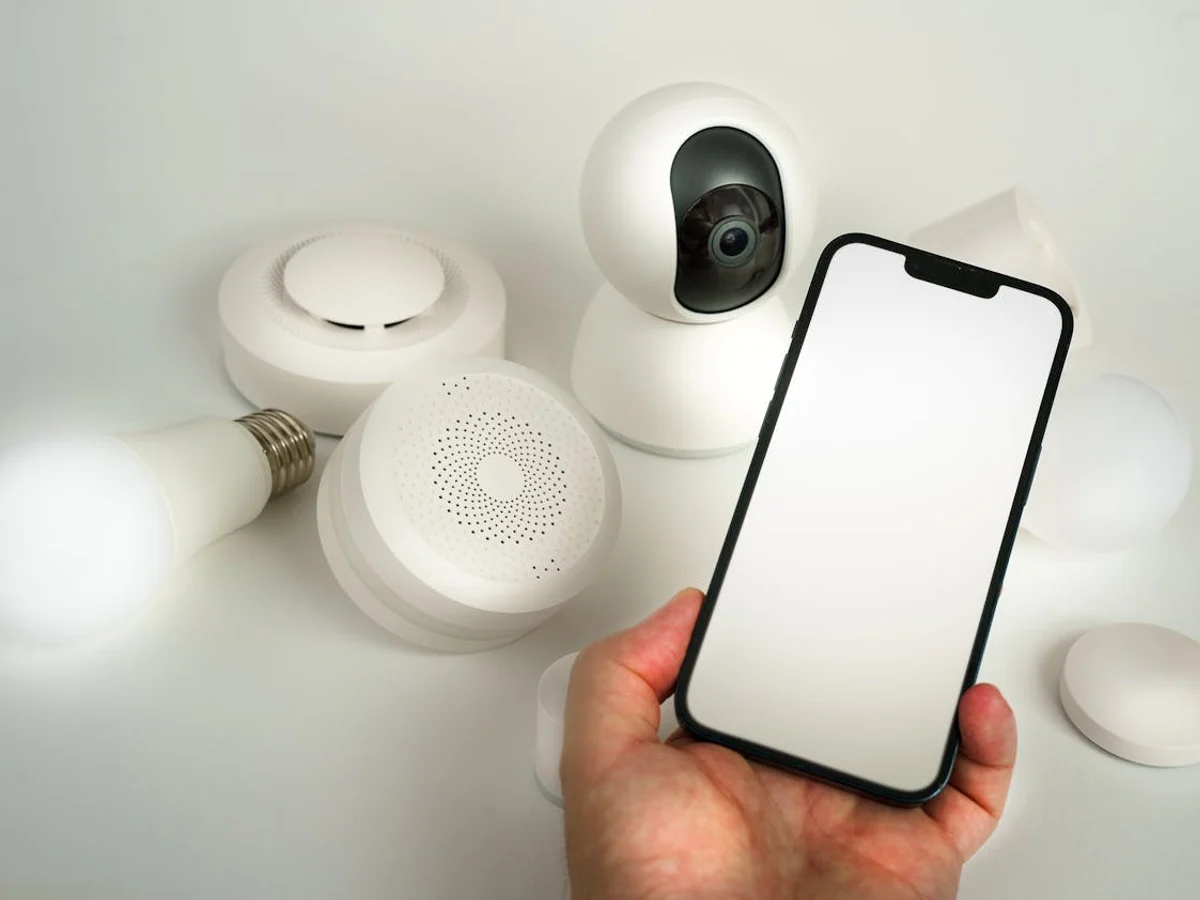
One control surface — every brand behind it.
Scope
What an ecosystem integration includes.
Hub topology, cross-vendor pairing, routines, voice unification, optional Home Assistant — single bid.
Hub Topology Design
Primary hub family choice + secondary if layered. Thread border router placement for Matter coverage. Zigbee / Z-Wave bridge as needed.
Cross-Vendor Pairing
Each device paired into the primary ecosystem. Matter-certified gear native; older gear via vendor app + Works-with bridge. Tested end to end.
Routines & Scenes
Welcome, Goodbye, Sleep, Vacation, Movie. Triggered by time, occupancy, geofence, voice, button. Tested with the homeowner before turnover.
Voice Unification
Alexa / Google / Siri / Bixby all controlling the same devices when supported. Single phrase ("Lights off") works on whichever assistant the family member used.
Home Assistant (Optional)
Self-hosted on Pi / Green / Yellow for households that need full local operation, advanced automations, or non-mainstream device support.
Documentation & 30-Day Check
Plain-language cheat sheet, naming convention list, troubleshooting flowchart. Follow-up visit at ~30 days to dial in the routines real use exposes.

Hub Families We Commission
Apple, Amazon, Google, Samsung, or fully local.
There is no universally "best" ecosystem — the right pick depends on phone platform in the household, privacy priorities, and which vendor your existing devices already favor. We deploy all five.
Apple HomePod / HomePod mini
HomeKit hub + Thread border router
Amazon Echo (4th gen) / Echo Hub
Alexa + Zigbee + Matter controller
Google Nest Hub Max
Google Home + Matter controller + display
Samsung SmartThings Station
Matter + Zigbee + Z-Wave + Thread
Home Assistant Green / Yellow
Self-hosted local-first platform
Aqara M3 Hub
Zigbee gateway with Matter bridging
FAQ
Ecosystem questions, straight answers.
Ready to unify the system?
Walk us through what is already there.
$200 on-site walk-through. Hub recommendation, routine map, fixed quote within 5 business days — applied to project total if you proceed.