



EV Charging
NEMA 14-50 Outlet Installation — The Flexible EV Option
A 240V NEMA 14-50 outlet works with almost any EV's included mobile connector — no dedicated charger hardware to buy. Licensed C-10 electricians. Dedicated circuit, GFCI breaker, permit and inspection included.
What Is It
One outlet, almost every EV.
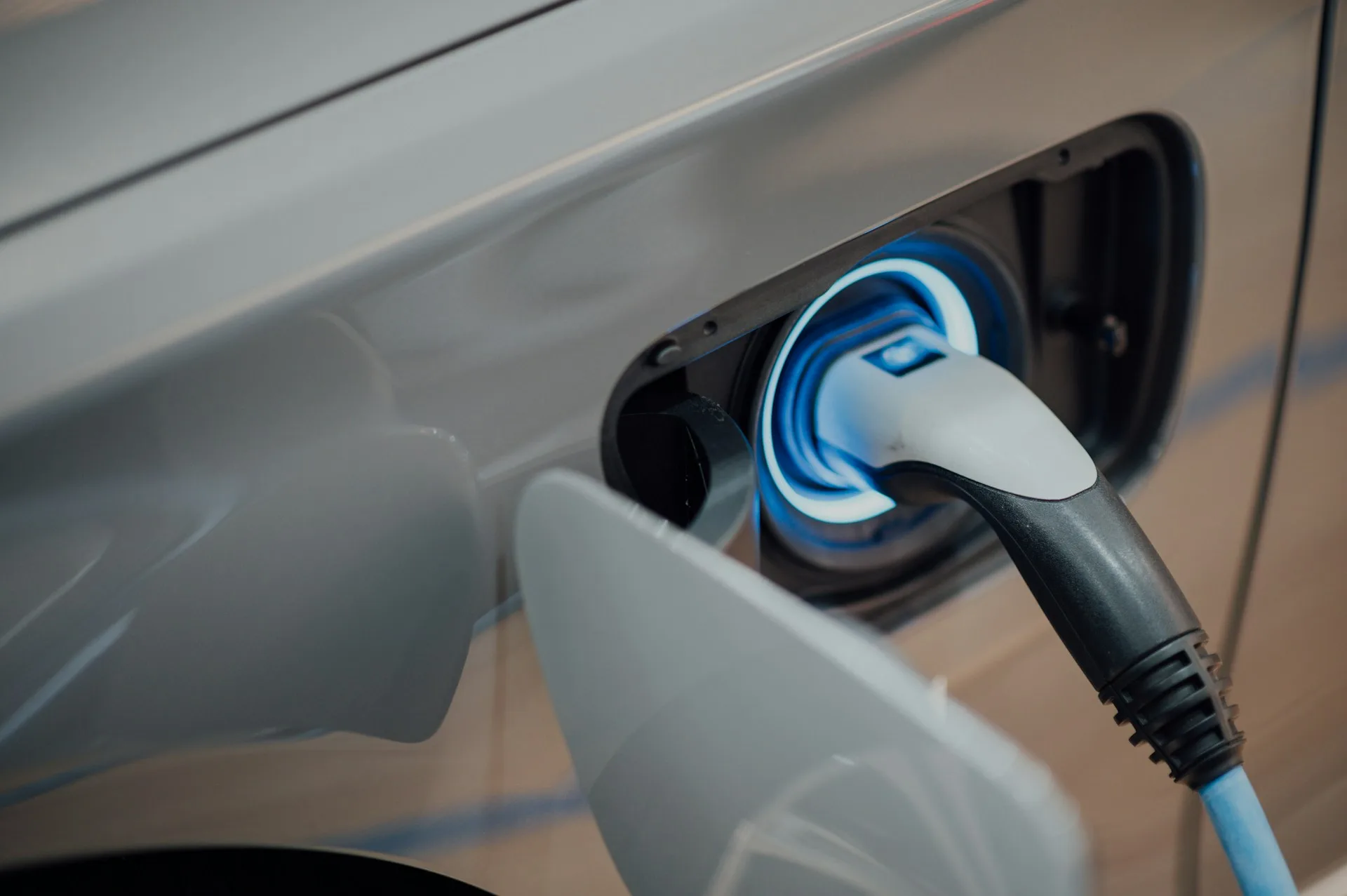
A NEMA 14-50 is a standard 240V / 50A outlet — the same receptacle used by electric ranges and large dryers. For EV charging, it lets you plug in the mobile connector or portable EVSE that shipped with your car instead of buying a separate wall-mounted charger.
Most EVs on the market — Tesla, Ford, GM, Rivian, Hyundai, Kia, BMW, Volkswagen — include or sell a cable with a 14-50 adapter. That means you can start charging at ~30–32 miles of range added per hour without purchasing any additional hardware beyond the outlet itself. For many drivers, that is enough.
NEMA 14-50 — works with the cable you already have.
Honest Comparison
NEMA 14-50 vs Hardwired Level 2 Charger
Neither option is universally better — the right answer depends on your car, your panel, and how you drive.
Option A
NEMA 14-50 Outlet
- Lower upfront cost — outlet + install only, no charger hardware to buy if you already have a mobile connector
- Portable cable — take the mobile connector on road trips, use it at an RV park, or hand it to a friend
- Universal compatibility — almost every EV on the market has a 14-50 adapter available
- Amperage cap ~40A usable — the outlet is rated 50A, but NEC limits continuous load to 80%, so the practical charging ceiling is 40A (~9.6 kW)
- Plug connection — a physical plug means one more connection point; inspect periodically for heat or wear
Option B
Hardwired Level 2 Charger
- Higher max charge rate — 48A or 60A breaker possible depending on panel; charges faster overnight
- Direct termination — no plug to degrade; manufacturers recommend hardwired for chargers above 40A
- Wall-mounted unit — cleaner install, often includes app control, power sharing, scheduling
- Higher upfront cost — charger hardware ($400–$900) plus installation; panel upgrade may be required
- Not portable — the cable stays with the wall unit; travel charging requires a separate adapter
Done to Code
What our licensed C-10 electricians actually install.
A NEMA 14-50 outlet for EV charging is not a DIY project — it is a new 240V dedicated circuit that requires a permit and inspection in every Bay Area city. Here is what is included in every quote.
Get a Quote-
Dedicated 240V circuit
A separate circuit run from your main panel — no sharing with appliances. Sized for 50A breaker to support the 14-50 outlet at full rating.
-
GFCI circuit breaker
Required by NEC and California Electrical Code for EV outlets in garages and outdoor locations. Installed at the panel — not a GFCI outlet, a proper breaker-level protection.
-
Proper torque and inspection
All terminations torqued to manufacturer spec. Weather-rated box and cover if outdoor. Load test and visual inspection before sign-off.
-
Permit pulled, inspection scheduled
We pull the permit under our C-10 license, schedule city inspection, and deliver the signed permit card. Every Bay Area city requires one for this scope.
FAQ
NEMA 14-50 questions, straight answers.
Ready to Start Charging at Home?
Schedule a quote for your NEMA 14-50 outlet install.
$200 on-site assessment — applied to project total if you proceed. Written fixed quote within 48 hours. Licensed C-10, CSLB C-10.