




Dedicated 240V Circuits
240V Dedicated Circuits for EV Chargers — From $600
NEMA 14-50, 6-50, or hardwired. Breaker and conductor sized per NEC for your specific charger. GFCI per current code, permit and inspection included.
What & Why
The circuit is more than wire and a breaker.
Sizing the breaker and conductor for a Level 2 charger looks straightforward until you account for continuous-load math, conduit fill, voltage drop on long runs, and the GFCI requirements that changed in NEC 2020. We size it right the first time — no nuisance trips, no overheating cables, no inspector callouts.
Most residential installs are a single 40A or 50A circuit from the panel to the garage. Long runs (50+ ft) and exterior installs add conduit and weatherproofing. We bid the full circuit + charger install on one quote.
Sizing Cheat Sheet
32A charger → 40A breaker, 8 AWG copper
40A charger → 50A breaker, 6 AWG copper
48A charger → 60A breaker, 6 AWG or 4 AWG (length-dependent)
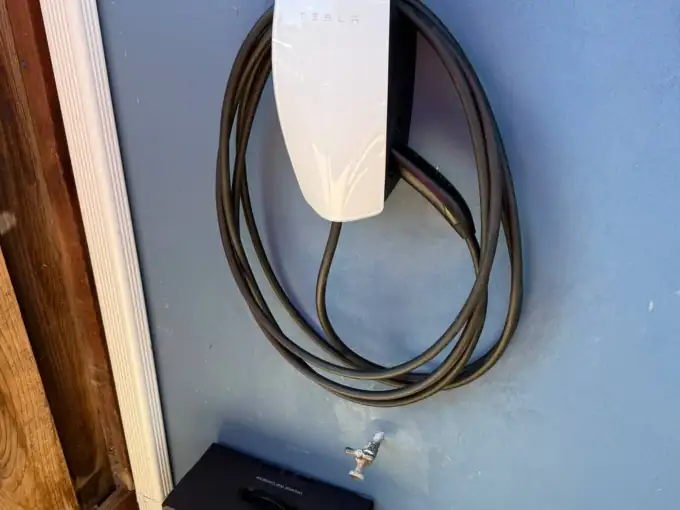
80A charger (Tesla) → 100A breaker, 3 AWG copper
Voltage drop on runs over 50 ft typically requires going up one wire size — confirmed in the load calc, not guessed.
Circuit Types
Four common configurations.
Hardwired for most permanent installs. NEMA 14-50 outlet for plug-in flexibility. We install whichever fits the charger and the customer.
NEMA 14-50 Outlet
50A
Plug-in chargers up to 40A continuous. Lets you unplug for travel. Outlet wears over time at high amperage.
NEMA 6-50 Outlet
50A
Plug-in chargers up to 40A. No neutral required → ~$80 cheaper to wire. Less common, fewer chargers ship with this plug.
Hardwired (40–60A)
40–60A
Most permanent residential installs. Required for chargers above 40A continuous. More reliable than plug-in.
Hardwired (80–100A)
80–100A
Tesla Wall Connector at full power, dual-port commercial installs, or premium high-amperage chargers.
What's Included
Six steps, every dedicated-circuit install.
Circuit Sizing
NEC load calc to size breaker and conductor for your specific charger. 125% safety margin built in. No guessing, no under-sizing that trips later.
Permit Pull
Permit pulled under our C-10 license through your city or county. Inspection booked at completion.
Conduit Routing
EMT for surface-mounted runs, flex conduit for tight spaces. Through-wall or attic runs as needed. Weather-rated for exterior.
Outlet or Termination
NEMA 14-50, 6-50, hardwired termination, or junction box for charger pigtail — per the charger spec and customer preference.
GFCI + Test
GFCI breaker per current code (or skip if charger has internal GFCI). Trip test, voltage and continuity verification.
Inspection Sign-Off
Inspector visit coordinated. Any callouts addressed same-day. Signed permit card delivered with invoice.
Pricing Context
What a 240V dedicated circuit typically costs.
Most quotes bundle the dedicated circuit + EV charger install on one PO. Permit fees passed through at cost.
FAQ
Circuit-sizing questions, straight answers.
Right-Sized, First Time
Get a fixed quote for your 240V circuit.
$200 on-site assessment includes circuit sizing for your specific charger. Quote within 48 hours.