


Residential EV Charging
Wake up to a full battery — Level 2 Home Charging Installed Right
Stop waiting 20 hours on a standard outlet. Our licensed C-10 electricians install a dedicated 240V Level 2 charger that fully charges your EV overnight — load-calc honest, permitted, and inspection-ready from day one.
120V vs 240V
Your wall outlet adds 4 miles overnight. Level 2 adds 30.
A standard 120V household outlet charges your EV at roughly 3–5 miles of range per hour. If you come home with 80 miles left, you need 16 hours to top off. That only works if your commute is short and you never forget to plug in.
A 240V Level 2 charger — the same voltage as your dryer — delivers 20–30 miles per hour. Most EVs reach a full charge in 6–10 hours on Level 2, so a full overnight cycle always leaves you with a complete battery, no math required. We install a dedicated 40–60A circuit from your panel, mount the charger where you actually park, and pull the permit so the installation is insurable and invisible on a home resale.
$200 on-site assessment, applied to the project if you proceed. Written quote within 48 hours.
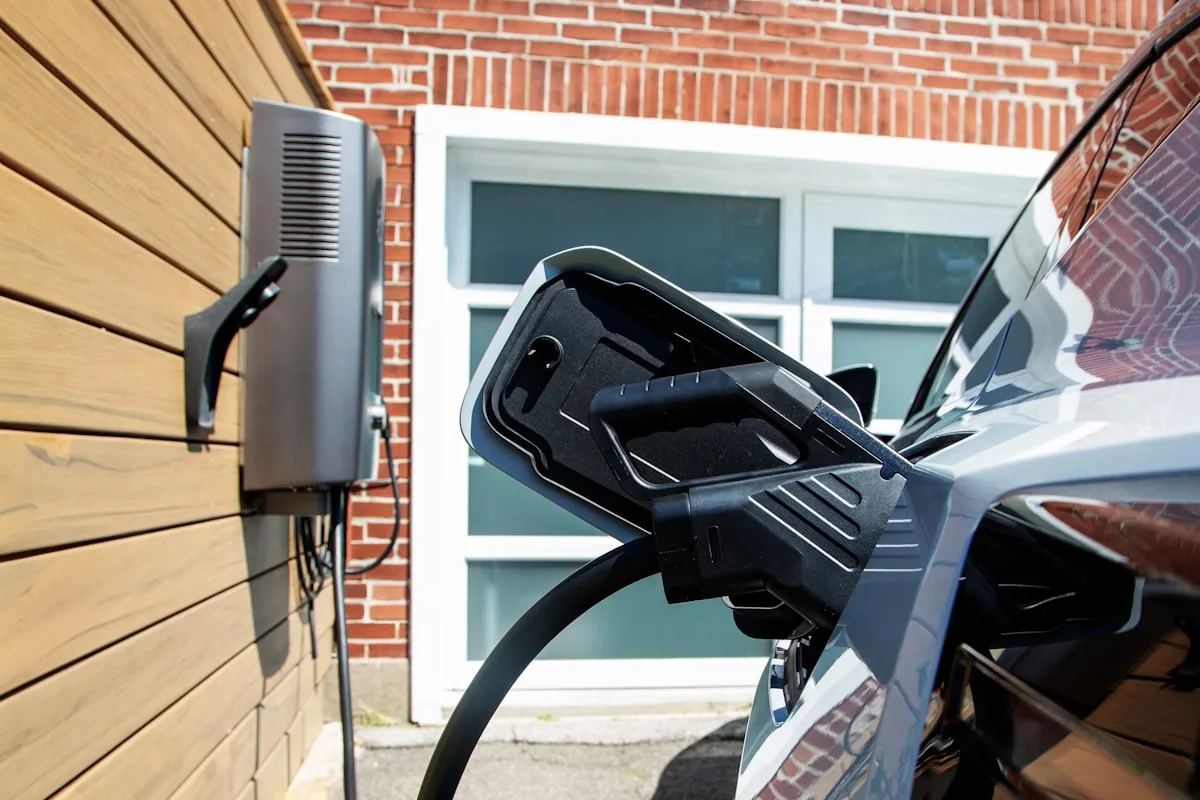
Level 2 residential install — Bay Area home.
What Every Install Includes
Six things in every residential EV job — no add-on surprises.
We scope every install the same way. If your job requires more, it goes in the written quote before we start.
Load Calculation
NEC load calc on every quote — know before we start whether your panel handles the charger or needs an upgrade.
Dedicated 240V Circuit
40–60A dedicated breaker and circuit run from your panel to the charger location. Sized per manufacturer spec.
GFCI Protection
Per NEC code, EV circuits serving garages and outdoor locations require GFCI. Included, not billed as an add-on.
Weatherproof (If Outdoor)
NEMA 4 box, weatherproof conduit, and outdoor-rated mounting hardware when the charger is outside.
Permit + City Inspection
We pull the permit, schedule the inspection, and hand you the signed permit card at project close.
Brand-Agnostic Install
Tesla, ChargePoint, Wallbox, JuiceBox, Enphase, or anything else. We install the charger you choose.
Do I Need a Panel Upgrade?
We'll tell you up front — not mid-job.
Most 200A panels have room for a 40–48A Level 2 charger. A 100A panel with multiple heavy appliances may not. We run a full NEC load calculation on every visit and give you a straight answer in the written quote: the charger fits, needs a load-sharing device, or requires a panel upgrade first.
If an upgrade is needed, we can scope and quote both jobs at once — same crew, same visit, one trip from PG&E or your municipal utility for the service upgrade.
Learn About Panel UpgradesQuick Rule of Thumb
- 200A service — usually fits a 40–48A charger
- 100A with heavy load — may need load-sharing device
- 100A near capacity — panel upgrade likely required
- Exact answer comes from a load calc, not guessing
FAQ
Residential Level 2 questions, straight answers.
Ready to Charge Overnight?
Schedule a load-calc visit — we'll tell you exactly what your panel supports.
$200 on-site assessment applied to project total if you proceed. Written quote within 48 hours. Licensed C-10 electricians, CSLB C-10.