


Safety Tips
Whole-Home Surge Protection: Why Every Bay Area Home Needs It
Published April 8, 2026 · 7 min read
A single power surge can destroy thousands of dollars in electronics, appliances, and sensitive equipment in a fraction of a second. Most homeowners think of lightning strikes when they hear "power surge," but the reality is that the vast majority of damaging surges originate much closer to home — from your utility grid, your HVAC compressor cycling on and off, or PG&E switching operations on the local distribution network. For Bay Area homeowners with increasingly connected and expensive home systems, whole-home surge protection is no longer optional — it is a fundamental layer of electrical safety.
What Causes Power Surges?
A power surge is a brief spike in voltage that exceeds the standard 120 or 240 volts delivered to your home. While each individual surge may last only microseconds, the cumulative damage from repeated small surges degrades electronic components over time. There are three primary sources:
- External surges from the grid: PG&E's grid switching operations, transformer faults, downed power lines, and capacitor bank switching all generate transient voltage spikes that travel through the distribution network into your home. These account for roughly 20% of surges but tend to be the most powerful.
- Internal surges from your own appliances: Every time a motor-driven appliance cycles on or off — your air conditioner, refrigerator, washing machine, or garage door opener — it creates a small surge on your home's wiring. These internal surges account for up to 80% of all surge events and cause gradual degradation to sensitive electronics.
- Lightning-induced surges: While direct lightning strikes are rare in the Bay Area compared to other regions, a strike within a mile of your home can induce a surge through utility lines or even through the ground. These surges are extremely powerful and can overwhelm basic plug-in surge protectors.
Understanding Surge Protector Types: 1, 2, and 3
Surge protection devices (SPDs) are categorized into three types based on their installation location and the level of protection they provide. A comprehensive protection strategy uses multiple types working together in a layered defense.
Type 1 SPDs are installed at the service entrance, between the utility meter and your main panel. They provide the first line of defense against external surges from the grid and lightning-induced events. Type 1 devices are designed to handle the highest energy surges — up to 200,000 amps in some models. Installation requires coordination with PG&E since the device connects ahead of your main breaker.
Type 2 SPDs are the most common whole-home surge protectors. They install inside or immediately adjacent to your main electrical panel and protect everything downstream — every circuit, every outlet, every hardwired appliance in your home. A quality Type 2 device provides 50,000 to 100,000 amps of surge current capacity and clamps voltage to safe levels within nanoseconds. This is the device most electricians recommend as the minimum level of protection for any home.
Type 3 SPDs are point-of-use protectors installed at individual outlets or equipment locations. These include the familiar power strip surge protectors, but also hardwired units designed for specific high-value equipment like home theaters, server racks, and EV chargers. Type 3 devices provide the final layer of defense, catching any residual surge energy that passes through the Type 1 and Type 2 devices upstream.
What Whole-Home Surge Protection Covers
A panel-mounted Type 2 SPD protects every electrical device connected to your home's wiring. In a modern Bay Area home, that includes a significant amount of valuable and sensitive equipment:
- Electronics: TVs, computers, gaming consoles, streaming devices, and home office equipment — collectively worth $5,000 to $20,000 in most households.
- Smart home systems: Lutron lighting controls, smart thermostats, security cameras, video doorbells, and home automation hubs contain delicate microprocessors that are extremely sensitive to voltage spikes.
- HVAC systems: Modern furnaces and air conditioners use electronic control boards that cost $500 to $1,500 to replace. A single surge can destroy the control board and leave you without heating or cooling.
- Kitchen appliances: Refrigerators, dishwashers, ovens, and microwaves with digital controls are all vulnerable. Replacing a refrigerator control board alone costs $300 to $600.
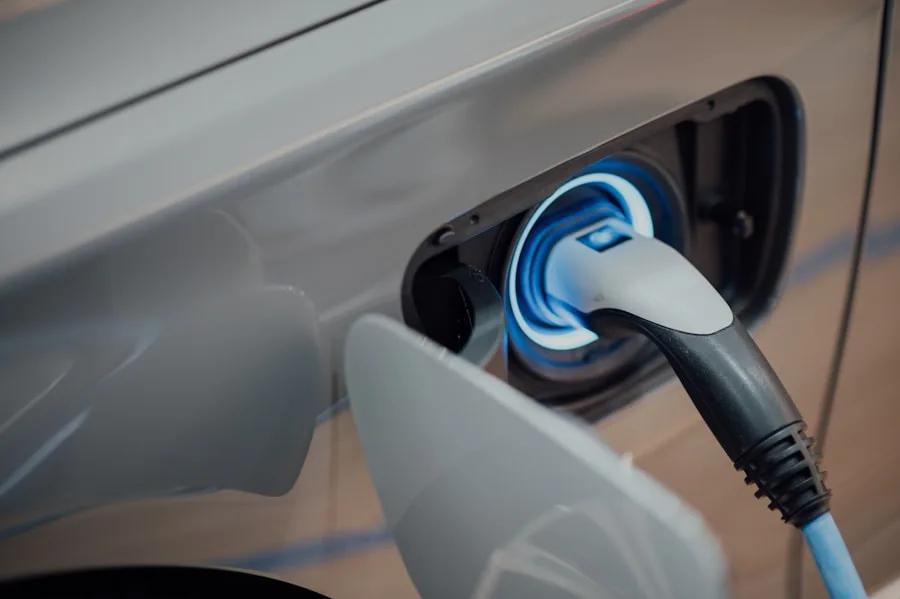
- EV chargers: Level 2 home chargers contain sensitive power electronics. A surge-damaged charger costs $500 to $1,200 to replace, plus the installation labor.
- Garage door openers, sprinkler controllers, and pool equipment: These often-forgotten devices contain electronic components that fail silently after surge damage.
NEC 2023 Requirements for Surge Protection
The National Electrical Code has recognized the importance of surge protection with increasingly strong provisions. NEC 2020 introduced Article 230.67, which requires a Type 2 surge protective device to be installed on all new residential dwelling unit services and when service equipment is replaced. NEC 2023, which California has adopted, maintains this requirement and expands it.
This means if you are building a new home, adding an addition that requires a panel upgrade, or replacing your electrical panel for any reason, a whole-home surge protector is now required by code. For existing homes with no planned panel work, installation is voluntary but strongly recommended — especially given the relatively low cost compared to the equipment it protects.
Cost of Installation
Whole-home surge protection is one of the most cost-effective electrical upgrades available. Here is what Bay Area homeowners can expect to pay:
- Type 2 panel-mounted SPD (device only): $80 to $300 for a quality unit from Eaton, Siemens, Leviton, or Square D.
- Professional installation: $150 to $400 depending on panel configuration and accessibility.
- Total installed cost: $300 to $800 for most homes.
- Type 1 SPD (service entrance, if desired): $400 to $1,200 installed, typically recommended for homes in areas with frequent grid disturbances.
Compare that $300 to $800 investment against the cost of replacing a fried HVAC control board ($800), a destroyed smart home hub and connected devices ($1,500), or a home office computer and monitor ($2,000). The surge protector pays for itself the first time it absorbs a significant surge event.
Insurance Considerations
Most homeowners insurance policies cover surge damage to electronics and appliances, but there are important caveats. Many policies have sublimits for electronics — often capping coverage at $2,500 to $5,000 for all affected devices combined. Filing a surge damage claim may also increase your premiums. Some insurance carriers offer premium discounts for homes with documented whole-home surge protection, recognizing that it significantly reduces the likelihood of surge-related claims.
Regardless of insurance coverage, the hassle factor alone justifies the investment. Replacing damaged electronics, waiting for HVAC repairs in the middle of summer, and dealing with insurance claims takes days or weeks of your time. A surge protector working silently in your panel prevents all of it.
The Installation Process
Installing a whole-home surge protector is a straightforward process for a licensed electrician, typically completed in one to two hours. Here is what the process looks like:
- Panel inspection: Your electrician evaluates the panel for available space, breaker compatibility, and overall condition. If your panel is a recalled brand (Federal Pacific, Zinsco), we will recommend replacement before adding surge protection.
- Device selection: The SPD is matched to your panel manufacturer and amperage rating. Using a device from the same manufacturer as your panel ensures proper fit and warranty coverage.
- Installation: The SPD connects to a dedicated two-pole breaker in your panel. Lead wires are kept as short as possible — under 6 inches ideally — to maximize response time. The device mounts inside the panel or on the exterior wall immediately adjacent.
- Testing and verification: After installation, the electrician verifies proper grounding, tests the indicator lights on the SPD, and confirms the device is actively protecting your home.
There is no maintenance required after installation. Quality SPDs include LED indicator lights that show protection status — green means active, red or no light means the device has absorbed a major surge and needs replacement. Most devices last 10 to 15 years under normal conditions.
Why Bay Area Homes Are Especially Vulnerable
Bay Area homes face a unique combination of surge risk factors. PG&E's aging grid infrastructure is prone to switching transients, especially during high-demand periods and when circuits are re-energized after planned or unplanned outages. Homes in hillside communities from Sausalito to Los Gatos experience more frequent power interruptions. And the average Bay Area home now contains more sensitive electronic equipment than ever before — smart home systems, home offices, EV chargers, and connected appliances that older homes were never designed to support.
If your home does not have whole-home surge protection, contact YKCA Electric for a panel evaluation and installation quote. It is one of the simplest and most impactful electrical upgrades you can make — protecting tens of thousands of dollars in equipment for a fraction of the replacement cost.
← Back to News & TipsNeed Professional Help?