



Generator Installation
Stay Powered Through Every PSPS.
Whole-home automatic transfer switches and portable-generator interlocks — sized to your home, permitted, and commissioned to start when the utility doesn't.
What & Why
From a portable interlock to a whole-home ATS.
There is no one-size-fits-all generator answer. A whole-home automatic transfer switch (ATS) gives full coverage with no thought; a critical-load sub-panel cuts the cost in half if you only need internet + fridge + a heat-pump zone running; a portable + interlock gives you the cheapest entry-point if you are willing to roll it out manually.
We do the load calc, recommend the path that fits your usage and budget, and coordinate the gas and concrete trades so they show up in the right order.
Typical Project Snapshot
Common ranges for Bay Area generator installs. Exact numbers confirmed in your written quote.
Electrical Scope
1–2 days on-site
Total Project
3–6 weeks end-to-end
Coordinated Trades
Gas + concrete + commissioning
Sizing
14–26kW typical residential
Out of Scope (other trades)
Concrete pad, gas-line hookup, PG&E gas-meter upgrade
What's Included
Six things, every install.
From load calc to commissioning to inspection sign-off.
Load Calc & Sizing
Whole-home or critical-load? We run the load calc and recommend a generator size that matches your usage and budget, not whatever is on sale.
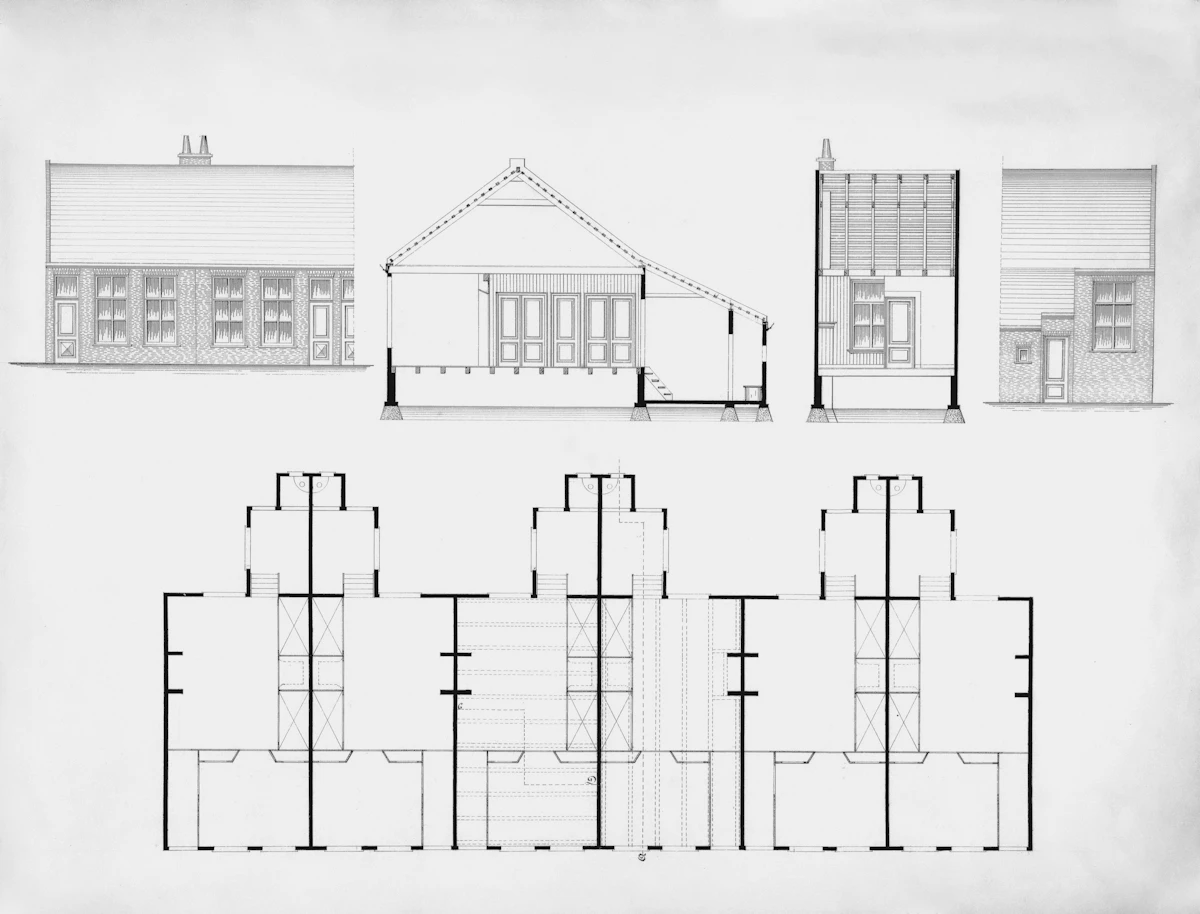
Permits & Coordination
Electrical permit pulled under our C-10. We coordinate with your gas trade and concrete trade so they show up in the right sequence.
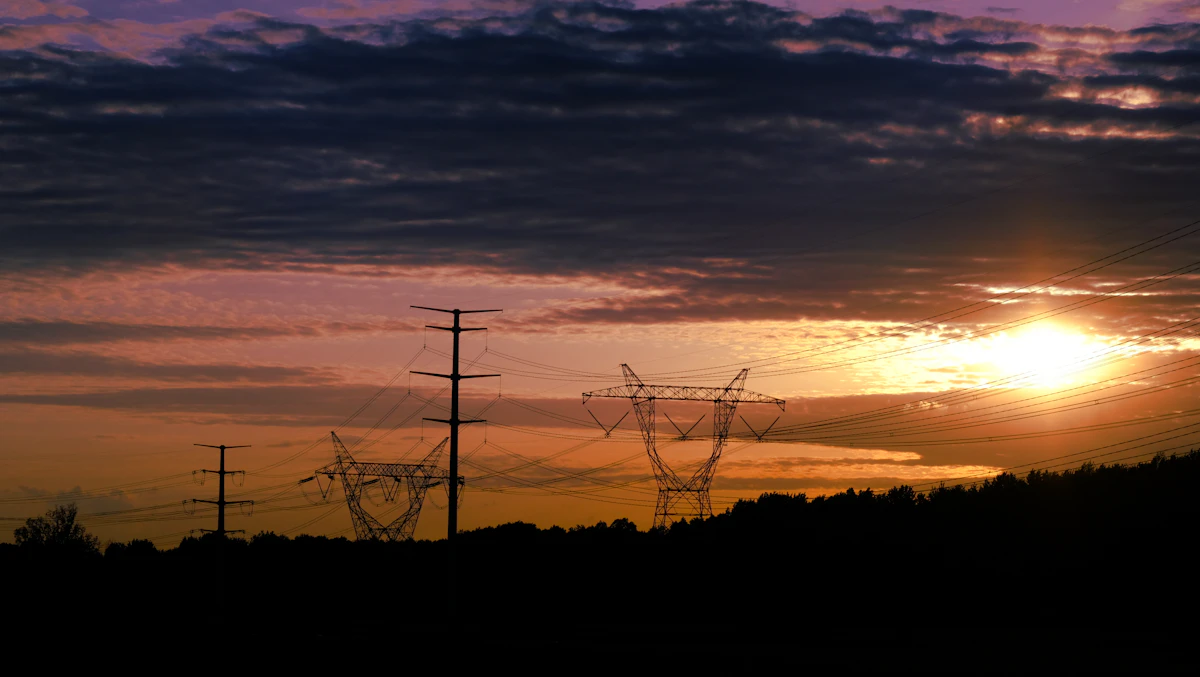
Transfer Switch Install
Service-rated automatic transfer switch wired between utility meter and panel, or interlock kit + inlet for portable units.
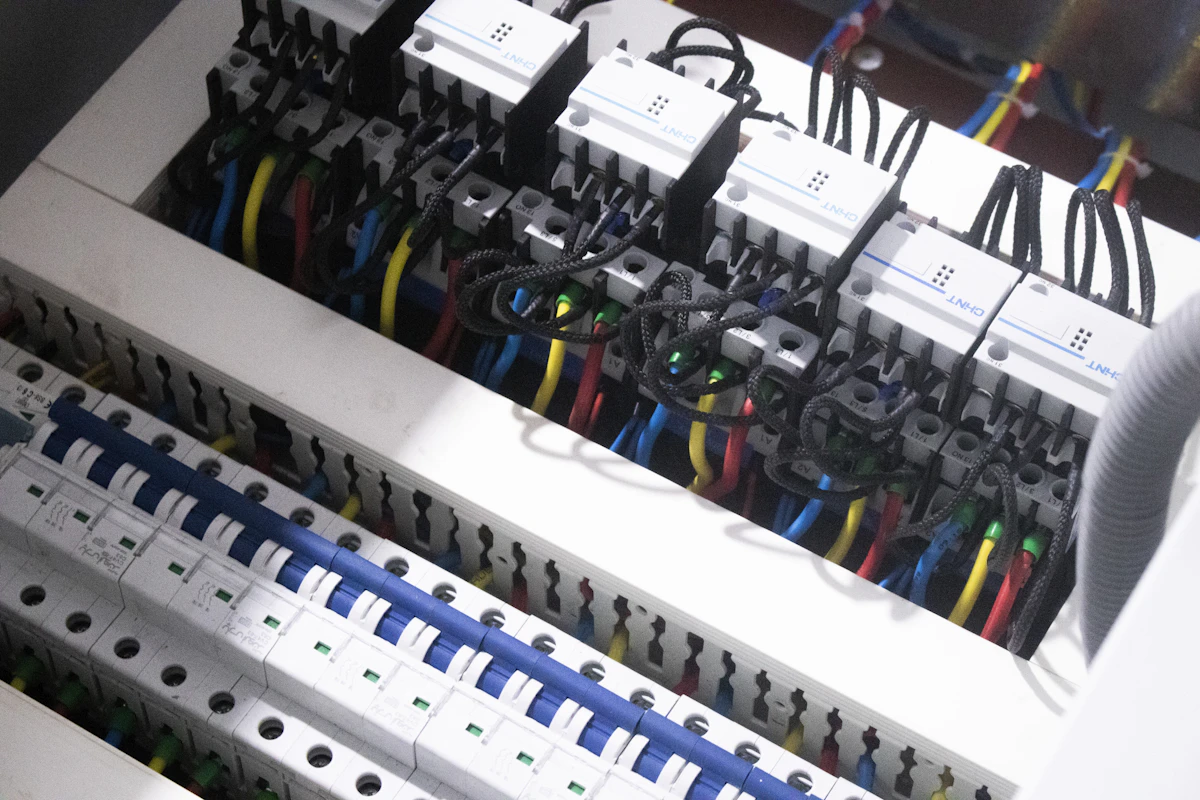
Generator Wiring
Conduit and conductors from generator pad to ATS, properly sized and labeled. Battery charger and remote-start wiring landed.

Commissioning & Test
Generator started, transfer switch tripped under load, automatic restart verified, exercise schedule programmed.
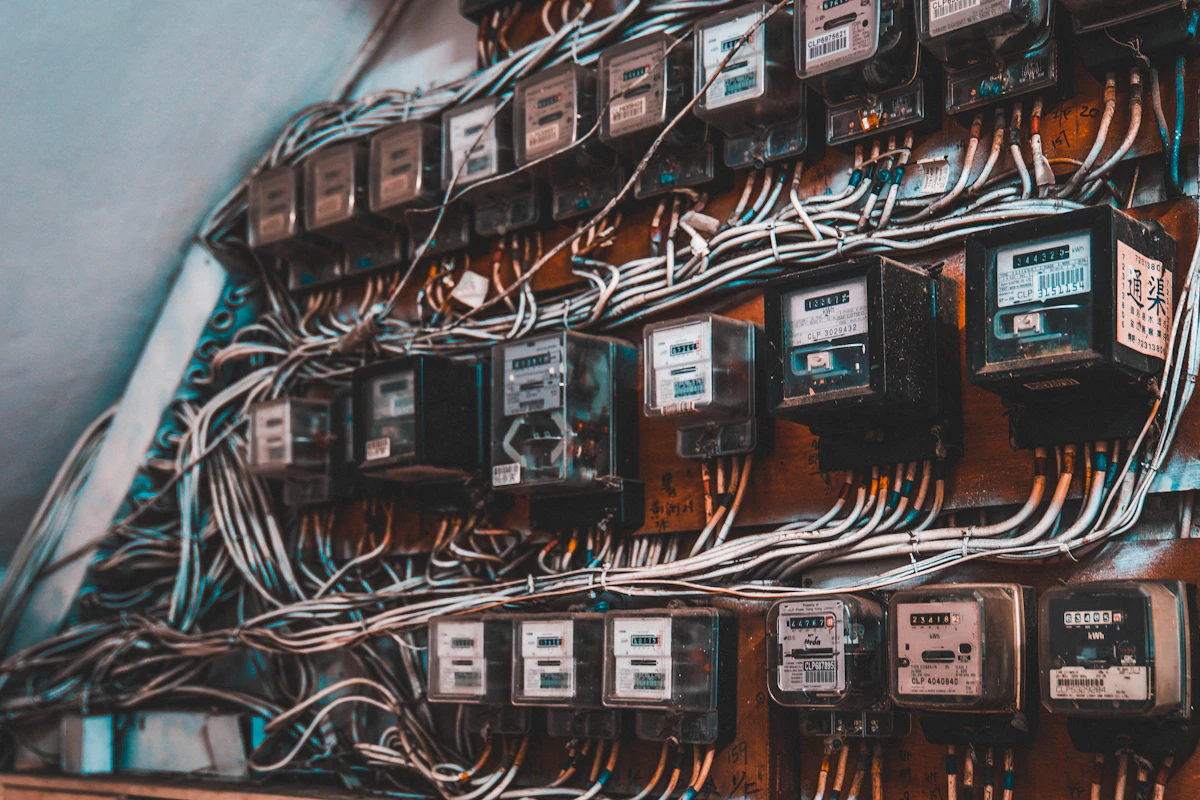
Inspection & Handoff
City electrical inspection coordinated. Signed permit card, generator commissioning report, and start-up instructions delivered in a folder.
When You Need It
Six reasons a generator earns its keep.
Repeated PSPS Outages
PG&E Public Safety Power Shutoffs in your area? A standby generator is the long-term answer.
Well Pump or Septic
No utility = no water. Generator on the well pump circuit is non-negotiable in rural service areas.
Medical Equipment at Home
CPAP, oxygen concentrator, refrigerated medication — uninterrupted power is a safety requirement.
Work-from-Home Critical
Lost a workday last storm season? A generator on a sub-panel (office + internet + fridge) pays for itself fast.
Aging Utility Infrastructure
If your neighborhood sees more than 2–3 outages a year, your line is on the PG&E replacement list — but replacement timelines slip.
Budget-Conscious — Portable Path
Interlock kit + generator inlet box gives you 70% of the value for 20% of the cost. We install both paths.
Pricing Context
What a generator install typically costs in the Bay Area.
Electrical scope only. Concrete, gas, and the generator unit itself are quoted separately.
Permit fees and inspection coordination are passed through at cost. Generator unit can be supplied by you or sourced through us at retail.
FAQ
Generator questions, straight answers.
Ready When You Are
Get a fixed quote for your generator install.
$200 on-site assessment. Quote within 48 hours. Credit applied to project if you proceed.