



Service Area · Santa Cruz
Santa Cruz Electrician — Coastal-Aware, Heritage-Aware, Permit-Aware
Santa Cruz electrical work lives at the intersection of three realities: salt air that corrodes service equipment faster than inland, a housing stock full of Victorians and beach cottages with original wiring, and a city that runs an aggressive electrification reach code. We approach every Santa Cruz job — PG&E coordination, coastal-grade equipment, and the City permit process — with all three in mind from the first site visit.
Why Santa Cruz Is Different
Salt-air corrosion, a heritage beach-town housing stock, and an electrification-forward city.
Santa Cruz is a PG&E city — the utility owns the poles, wires, and meters here, so service drops, mast and meter-base sizing, and disconnect/reconnect scheduling all flow through PG&E the way they do across most of our service area. (Generation is supplied through Central Coast Community Energy as the local CCA, but the physical service connection and cut-over coordination are still PG&E.) What sets Santa Cruz apart is not the utility — it is the coastal environment. Salt air on the Westside, West Cliff, Seabright, and the Beach Flats corrodes meter sockets, service-entrance conductors, panel interiors, and outdoor disconnects years faster than inland cities. We spec coastal-grade, corrosion-resistant equipment and stainless hardware on exterior service work because standard gear fails early this close to the water.
The housing stock is a beach-town mix. Beach Hill and Mission Hill hold some of the oldest Victorians in the county; Seabright and the Beach Flats are dense with early-1900s beach cottages; the Westside and Eastside are full of 1900s-1940s bungalows and Craftsman homes, many still carrying original or partially-updated wiring. Layered on top is the UCSC student-rental market — older homes subdivided into rentals with overloaded circuits — and a heavy vacation / short-term-rental inventory near the beach that needs code-current GFCI/AFCI protection and safe service for insurance and permitting.
The City of Santa Cruz Planning & Community Development Department runs the permit and plan-check process, and the City has been an electrification frontrunner. After its 2020 natural-gas prohibition was suspended in 2023 following the Berkeley court ruling, the City adopted a source-energy reach code in late 2023 that still pushes new construction and major remodels toward all-electric design. That, plus an aggressive ADU policy and the 1989 Loma Prieta seismic history downtown, means electrical scopes here often carry load-calc, electrification, and service-upgrade implications a basic swap-out would miss. We submit complete packages on the first pass to keep plan check tight.
Santa Cruz Quick Facts
- Utility: PG&E (service & meters); 3CE generation
- Coastal factor: Salt-air corrosion on panels, meters & service gear
- Permit AHJ: City of Santa Cruz Planning & Community Development
- Plan check: 2–6 weeks typical residential; OTC for simple scopes
- Typical stock: Victorians, beach cottages, 1900s-1940s bungalows
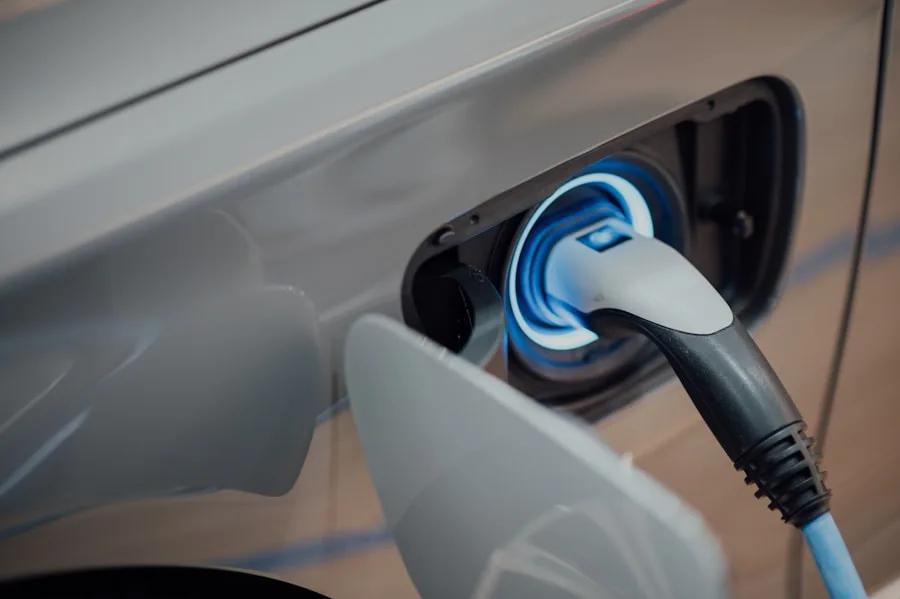
Installing an EV charger in Santa Cruz? See our Santa Cruz EV charging guide.
Neighborhoods We Serve in Santa Cruz
15 neighborhoods, one direct crew.
We work all neighborhoods of Santa Cruz, plus the adjacent unincorporated areas along the coast. Each has its own electrical character — different building eras, coastal exposure, and remodel patterns.
Westside
Bungalows + Craftsman, heavy student rentals, coastal corrosion near West Cliff
West Cliff Drive
Oceanfront — worst salt-air exposure, coastal-grade service equipment required
Eastside
1900s-1940s homes + postwar tracts, frequent 200A upgrade targets
Seabright
Dense early-1900s beach cottages near the harbor, knob-and-tube common
Beach Flats
Older beach cottages + rentals near the Boardwalk, frequent code retrofits
Beach Hill
Historic Victorians overlooking the beach, careful heritage rewiring
Mission Hill
Oldest part of the city, Victorian + historic stock, demo coordination
Downtown
Pacific Avenue commercial TI corridor — restaurants, retail, post-Loma-Prieta stock
Midtown
Soquel Avenue corridor, mixed residential + small commercial TI
Lower Ocean
Older mixed residential near the San Lorenzo River
Branciforte
Older homes on the Eastside hills, panel upgrades frequent
Prospect Heights
Eastside hillside homes, mixed remodel activity
Westlake
Postwar tract neighborhood, common 200A upgrade work
Harvey West
Light-industrial + commercial zone, TI and service work
Natural Bridges / Delaware
Westside near the coast, salt-air exposure + ADU additions
Common Santa Cruz Electrical Work
What we get called for most in Santa Cruz.
Click through to the service hub for full scope detail, hedged pricing, and FAQ.
Santa Cruz Permit Process
Step by step, quote to closeout.
Santa Cruz runs permits through the City's Planning & Community Development Department (Building & Safety Division). The workflow below is typical for residential service upgrade or rewire — commercial scopes follow a similar but longer path, and coastal-zone work can add a coastal permit step.
On-site assessment
We measure the existing service, photo-document the panel and meter, check for salt-air corrosion on service gear, and identify any PG&E coordination items (service-drop sizing, meter location) and coastal-zone considerations.
Drawings & load calc
Single-line diagram, panel schedule, and NEC-compliant load calculation. For ADU work we include the ADU on the calc; for reach-code electrification we account for added heat-pump and EV loads up front.
Submit to City Building & Safety
Application package emailed to City plan review. Staff typically confirm receipt and next steps within 5–10 working days. We respond to any plan-check comments within 1–3 business days to keep review moving.
Plan check (2–6 weeks typical)
Typical residential plan-check window. Simple scopes can route over-the-counter; larger scopes (whole-house heritage rewire, commercial Title 24) run longer. Coastal-zone projects may require a coastal development permit.
Permit issued, PG&E coordination, work begins
Once issued, we schedule the PG&E disconnect/reconnect for any service-entrance work, order coastal-grade materials, and stage the job. Cut-over day is coordinated with PG&E directly.
Inspections through closeout
Rough inspection (where applicable) and final inspection through the City Building Division — call (831) 420-5110 to schedule. Inspector callouts addressed same-day where possible; permit card signed and delivered in the closeout packet before final invoicing.
Codes & Local Requirements
What applies in Santa Cruz.
California codes apply statewide, but Santa Cruz layers on an electrification reach code, coastal-zone rules, and historic considerations worth knowing.
2025 CEC (California Electrical Code)
Currently in effect statewide. Santa Cruz enforces the base electrical sections as adopted and amended by local ordinance.
Title 24 Part 6 (Energy Code)
Lighting power density, automatic shut-off zones, daylight zones, and acceptance testing on controls. Enforced on commercial Title 24 scopes.
Title 24 Part 11 (CALGreen)
EV-ready and EV-capable conduit requirements on new residential construction and major remodels. We build the EV-ready raceway and panel capacity into the scope.
Santa Cruz Source-Energy Reach Code
After the 2020 natural-gas prohibition (SCMC Ch. 6.100) was suspended in 2023, the City adopted a source-energy reach code in late 2023 that pushes new construction and major remodels toward all-electric design. We flag applicable requirements at the assessment.
Coastal Zone / Coastal Development Permit
West Cliff Drive, the beachfront, and other shoreline areas fall in the Coastal Zone. Exterior service-entrance changes in those areas can trigger a coastal development permit — we flag this at the site visit.
Historic & Seismic Considerations
Mission Hill and Beach Hill have historic stock where exterior service changes may need extra review, and the 1989 Loma Prieta-rebuilt downtown stock can carry seismic-era detailing. We plan demo and service work accordingly.
Official Santa Cruz Resources
Permit office, utility, and city links.
Direct links to the official agencies you may need.
FAQ
Santa Cruz-specific questions, straight answers.
Working in Santa Cruz?
Coastal-aware crew. Heritage-aware approach.
Whether it's a salt-air panel upgrade on the Westside, a Beach Hill Victorian rewire, or a downtown restaurant TI — same direct W-2 crew, written quote within 48 hours.