


Service Area · San Francisco
San Francisco Electrician — Victorian-Aware, DBI-Aware, Multifamily-Ready
San Francisco's electrical work is dominated by three realities: pre-1930 housing stock with original wiring, dense multifamily buildings, and DBI's thorough permit process. We approach SF jobs with all three in mind from the first site visit.
Why San Francisco Is Different
Old wiring, dense buildings, thorough permitting.
San Francisco's electrical work is rarely about new construction. Pre-1930 housing dominates the residential market — Victorians in Pacific Heights, Western Addition, Lower Haight, and the Mission; Edwardians in the Sunset, Richmond, and Castro; turn-of-the-century four-plexes throughout the city. Many of these still have original knob-and-tube wiring in walls and attics that was state-of-the-art in 1905 and is now a fire hazard plus an insurance flag. Replacing it requires demo strategy, single-wall plaster repair coordination, and routing through walls that were never designed for modern wiring.
SF is also a dense multifamily city. Three-flats, four-plexes, and small apartment buildings are the dominant residential typology, not single-family homes. Electrical work in multifamily means coordinating common-area panels, sub-metering for unit electric bills, life-safety branch circuits (exit signs, hallway lighting), and fire-alarm rough-in with the FA vendor. HOAs, landlord-property-manager relationships, and tenant scheduling are part of the workflow.
Permits flow through the SF Department of Building Inspection (DBI). DBI's plan check is generally thorough — particularly on residential service upgrades and any work in older buildings — and the staff is detail-oriented on grounding, bonding, and fire-rated penetrations. Over-the-counter permits are available for some scopes; larger jobs go through plan check. We submit complete packages on the first pass to keep timelines tight.
San Francisco Quick Facts
- Utility: PG&E (entire city)
- Typical stock: Victorian, Edwardian, 4-plex, modern condo
- Permit AHJ: SF Department of Building Inspection (DBI)
- OTC permits: Available for some standard scopes
- Mostly multifamily: 3-flats, 4-plexes, apartments
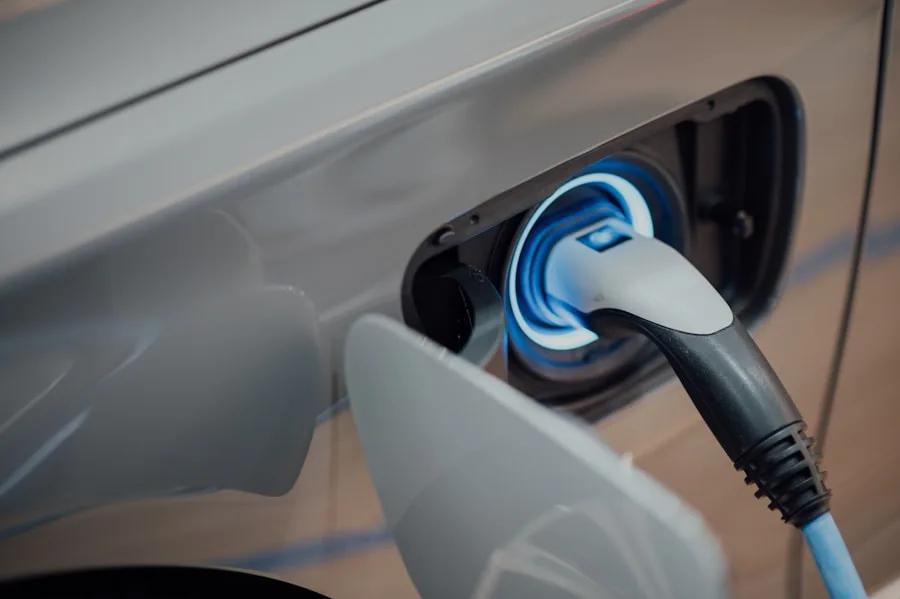
Installing an EV charger in San Francisco? See our San Francisco EV charging guide.
Neighborhoods We Serve in San Francisco
24 neighborhoods, one direct crew.
SF has 30+ distinct neighborhoods, each with its own building era and electrical context. We work all of them.
Pacific Heights
High-end Victorian + Edwardian, frequent rewire + panel upgrade combos
Marina
Mostly 1920s-30s flats, post-Loma Prieta retrofits common
Russian Hill
Mixed Edwardian + mid-century apartments, narrow access
Nob Hill
Apartments + condos, common-area electrical heavy
North Beach
Mixed flats + small apartment buildings, dense parking
Cow Hollow
Mostly Edwardian, frequent remodels
Western Addition
Victorian heavy, knob-and-tube common in untouched homes
Lower Haight / Haight-Ashbury
Victorian flats, frequent k&t replacement
Castro
Mostly Edwardian + Victorian, multifamily heavy
Noe Valley
Edwardians + remodeled SFHs, panel upgrade frequent
Mission
Mixed building eras, restaurant TI corridor on Valencia + Mission
Hayes Valley
Edwardian + modern condo mix, commercial TI heavy
Inner Sunset / Outer Sunset
Marina-style 1920s-40s homes, coastal corrosion considerations
Inner Richmond / Outer Richmond
Similar 1920s-40s stock, coastal
Glen Park
Mostly post-war single-family, EV charger frequent
Bernal Heights
Older small homes, panel upgrade common
Potrero Hill
Mixed older + new construction, panoramic views (visibility considerations for exterior)
Dogpatch
Adaptive re-use industrial loft conversions
SoMa
Commercial TI heavy, office + restaurant + retail
FiDi (Financial District)
Commercial TI, high-rise common-area
Tenderloin
Older multifamily, frequent compliance retrofits
Excelsior
Post-war single-family + small apartments
Visitacion Valley
Mixed residential
Bayview / Hunters Point
Mixed industrial + residential, commercial TI activity
Common San Francisco Electrical Work
What we get called for most in San Francisco.
Click through to the service hub for full scope detail, hedged pricing, and FAQ.
San Francisco Permit Process
Step by step, quote to closeout.
SF runs permits through DBI, with a permit center modernization that has improved over-the-counter availability for some scopes. Historic districts and density add complexity.
On-site assessment
For older buildings, this is critical — knob-and-tube identification, panel age (Federal Pacific, Zinsco red flags), grounding/bonding state, fire-rated penetrations all assessed.
Drawings & load calc
Single-line, panel schedule, load calc. For multifamily, common-area panel layout. For SoMa/FiDi commercial, full Title 24 controls submittal.
Submit to DBI
OTC for standard residential scopes where eligible. Plan check for larger work. Permit center modernization has improved online submittal in recent years.
Plan check or OTC issuance
OTC scopes can issue same-day. Plan check typically 2–8 weeks depending on scope and district. Historic-district work may need additional planning review.
PG&E coordination
Service drop, mast/meter base, disconnect/reconnect. PG&E lead time in SF has been challenging in recent years; we factor that into every panel upgrade quote.
Inspections + closeout
DBI rough + final inspection. Inspector callouts addressed promptly. Permit card, load calc, and warranty documentation packaged for the property file.
Codes & Local Requirements
What applies in San Francisco.
California codes apply citywide, plus SF-specific amendments and historic-district overlays.
2025 CEC + SF amendments
SF adopts the CEC with several local amendments. DBI is particularly thorough on grounding, bonding, and fire-rated penetrations in multifamily and older buildings.
Title 24 Part 6 (Energy Code)
Lighting power density, controls, acceptance testing. SF commercial enforcement is thorough.
Title 24 Part 11 (CALGreen)
EV-ready / EV-capable requirements. SF has been an early adopter of strong EV mandates on new construction.
SF Section 604 (Building Permit)
Standard building permit requirement; coordinated with electrical permit for combined work.
Historic District Reviews
Alamo Square, Liberty Hill, parts of Pacific Heights and the Mission. Exterior service-entrance changes may need planning review.
Soft-Story Retrofit
Mandatory soft-story seismic retrofits in some multi-unit residential buildings. Electrical work often coordinates with the structural retrofit schedule.
Fire-Rated Penetrations
DBI is particularly attentive to fire-rated wall penetrations in multifamily — we use approved firestop assemblies on every applicable scope.
Official San Francisco Resources
Permit office, utility, and city links.
Direct links to the official agencies you may need.
FAQ
San Francisco-specific questions, straight answers.
Working in San Francisco?
Victorian-aware, DBI-aware, multifamily-ready.
Whether it's a Pacific Heights rewire, a SoMa restaurant TI, or a four-plex panel upgrade — same direct W-2 crew, written quote within 48 hours.